
7 Key Criteria to Consider When Purchasing Grain in Bulk
7 Important Criteria to Consider When Purchasing Grain in Bulk
Grain trading is one of the most important supply areas in the agriculture and livestock sectors. Wheat, barley, corn, and other grain products have a wide range of applications, from feed mills and the flour industry to livestock businesses and companies engaged in agricultural commodity trading. Particularly when purchasing grain in large quantities, sourcing the right product at the right price and under appropriate quality conditions is of great importance to businesses.
Bulk grain purchasing involves much more than simply buying products. Many factors, such as the physical quality of the product, moisture content, storage conditions, supplier reliability, and logistics organization, directly influence purchasing decisions. Failure to properly evaluate these criteria may lead to unexpected costs and supply problems for businesses.
1. The Quality and Physical Characteristics of the Grain Must Be Checked
The first point to consider when purchasing grain in bulk is the quality of the product to be purchased. The product's appearance, kernel structure, color, foreign matter content, and physical integrity are important indicators in quality assessment.
Quality criteria may vary for products such as wheat, barley, and corn. For example, test weight, protein content, and gluten properties are particularly important when purchasing wheat, while moisture content, the amount of broken kernels, and foreign matter content are key considerations for barley and corn used in the feed industry.
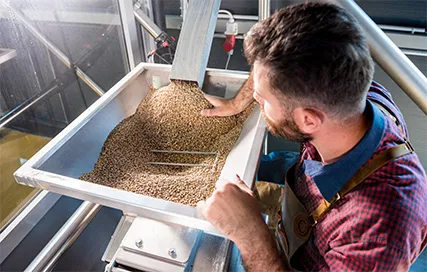
Representative samples of the product should be collected and the necessary inspections carried out before purchasing. When buying large quantities, making a decision based solely on the product's external appearance is not sufficient. Laboratory analyses should be used whenever necessary.
Selecting high-quality raw materials helps production processes run more efficiently and ensures that product standards are maintained.
2. Moisture Content and Storage Suitability Must Be Evaluated
Moisture content in grain products is one of the key criteria affecting both product quality and storage safety. Problems such as mold growth, heating, and quality deterioration may occur in products that have not been sufficiently dried after harvesting or have been stored under unsuitable conditions.
Moisture control becomes even more important when the purchased product is intended to be stored for an extended period, particularly in bulk purchases.
High moisture content can accelerate microorganism growth when appropriate storage conditions are not provided. This may reduce the product's commercial value and create risks in terms of feed and food safety.
For this reason, the moisture content of the product must be measured during grain purchasing, and its suitability for storage conditions must be evaluated. In addition, checking the product at regular intervals after it enters the storage facility helps prevent quality losses.
3. Price Research and Market Conditions Must Be Monitored
Price is one of the most important factors influencing purchasing decisions when buying grain in bulk. However, choosing the supplier offering the lowest price is not always the most advantageous option.
Grain prices are influenced by many factors, including harvest volumes, supply and demand balances, seasonal conditions, exchange rates, logistics expenses, and developments in international markets.
Therefore, market research should be conducted before purchasing, and price quotations should be obtained from different suppliers. When comparing quotations, product quality, delivery conditions, payment options, and transportation costs should also be taken into consideration.
Even small price differences can create significant changes in total purchasing costs, particularly in high-tonnage purchases. Therefore, regularly monitoring the market and planning the timing of purchases correctly can provide businesses with an advantage.
4. The Supplier's Reliability and Business History Must Be Investigated
When purchasing grain in bulk, supplier selection is just as important as product quality. Delivering the purchased product with the specified characteristics, fulfilling the ordered quantity in full, and complying with commercial agreements are essential elements of a reliable supply relationship.
When evaluating a supplier, factors such as the company's industry experience, business history, product supply capacity, and logistics organization should be taken into consideration.
It is also important for the supplier to be transparent about product quality, provide the necessary analyses and documents, and manage delivery processes in an organized manner.
Long-term business relationships offer significant advantages, particularly for feed mills and industrial businesses with continuous raw material requirements. Working with reliable suppliers helps businesses plan their production processes more effectively.
5. Transportation and Logistics Costs Must Be Calculated
In grain trading, delivery costs are just as important as the purchase price of the product. Transportation expenses can be a determining factor in total costs, particularly in high-tonnage purchases.
The region from which the product is sourced, delivery distance, transportation method, vehicle capacity, and loading and unloading conditions are among the main factors affecting logistics costs.
Businesses planning to purchase grain in bulk should clarify their delivery plans before purchasing. Ensuring that the product reaches the storage facility or production plant on time is important for preventing potential disruptions in production processes.
In addition, the product must be protected from rainfall, moisture, and external factors during transportation. Failure to provide suitable transportation conditions may result in quality losses.
6. The Product's Origin, Harvest Period, and Traceability Must Be Checked
The region where grain products are grown, the harvest period, and production conditions can affect product characteristics. Factors such as soil structure, climate conditions, irrigation practices, and harvest timing may lead to differences in the quality characteristics of grain.
For this reason, it is important for businesses purchasing grain in bulk to have information about the product's origin and harvest period.
It should be remembered that quality standards may vary, particularly for products sourced from different regions. Batches of the same type of grain originating from different production regions may differ in terms of characteristics such as moisture content, protein content, and test weight.
Keeping product information on record and ensuring that the supply process is traceable makes it easier to assess potential quality problems. This approach creates a more controlled purchasing process for businesses that regularly procure raw materials.
7. Storage Capacity and Delivery Planning Must Be Determined in Advance
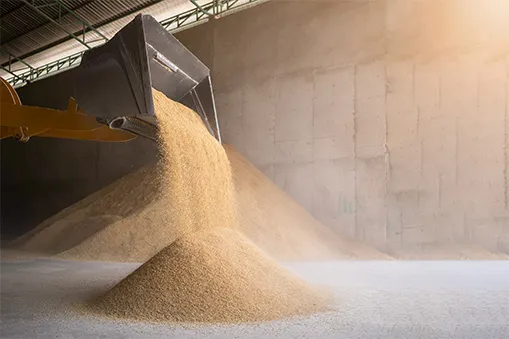
One issue that is often overlooked when purchasing grain in bulk is a business's storage capacity. Purchasing large quantities of products can cause various problems when sufficient storage space and suitable preservation conditions are not available.
When determining the quantity of products to be purchased, a business's current stock levels, consumption rate, and storage capacity should be evaluated together.
Companies that purchase large quantities of grain seasonally, in particular, need to plan their stock management in advance. Taking products into storage in a controlled manner, tracking them by batch, and storing them under suitable conditions can reduce quality losses.
Scheduling deliveries according to a specific plan also makes stock management easier for businesses. This helps reduce the costs associated with holding excessive stock while maintaining a continuous supply of the raw materials required for production.
Why Is Proper Planning Important When Purchasing Grain in Bulk?
Bulk grain purchasing directly affects not only businesses' short-term raw material requirements but also their long-term production and cost planning.
Selecting the right product, conducting quality inspections, monitoring market conditions, and working with reliable suppliers help ensure that the purchasing process is carried out more efficiently.
Regular raw material supply is one of the fundamental elements of operational continuity, particularly for feed mills and businesses engaged in agricultural commodity trading. Therefore, purchasing decisions should be evaluated not only on the basis of price but also in terms of product quality and total supply costs.
Quality, Trust, and the Right Supply Must Come Together in Grain Purchasing
To establish a successful bulk grain purchasing process, product quality, moisture content, market prices, supplier reliability, logistics costs, product traceability, and storage capacity must be evaluated together.
Taking these criteria into account enables businesses to make more informed purchasing decisions and manage their raw material supply processes more efficiently.
At Sin Tarım, we believe in the importance of reliable supply, high-quality products, and sustainable business relationships in agricultural commodity and grain trading. By closely following the needs of the industry and adopting a professional supply approach, we aim to contribute to the development of the agriculture and feed industries.