
BLOG
-
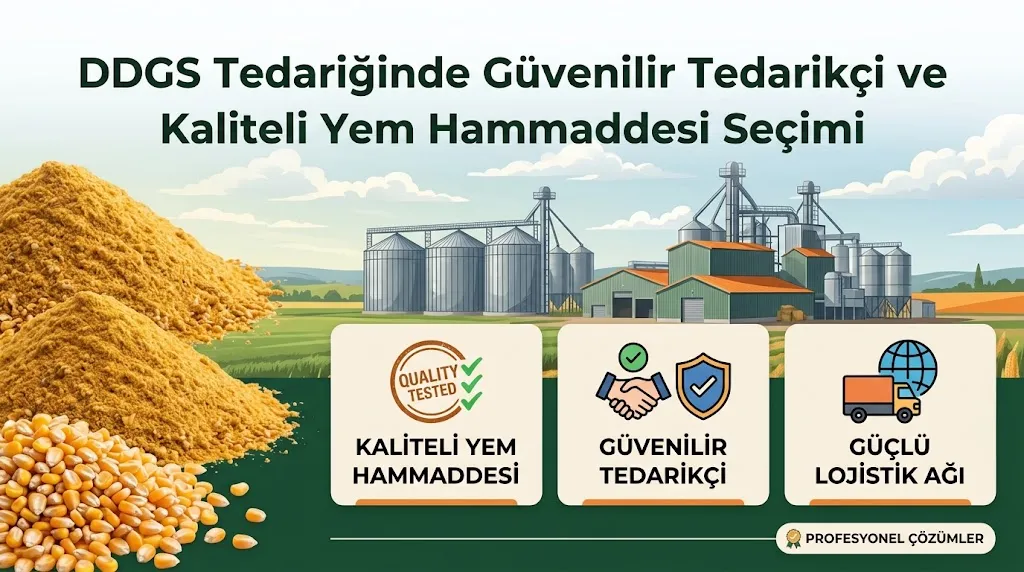
Reliable Supplier Selection and Quality Feed Raw Material Sourcing in DDGS Procurement
The rising feed costs in the livestock industry drive businesses toward more efficient feed raw materials with high nutritional value. At this juncture, thanks to its high energy and protein content, DDGS has become one of the prominent strategic products in the feed sector. Widely used especially in dairy and beef cattle operations, DDGS—when properly sourced—can deliver significant advantages in terms of feed efficiency, sustainable production, and cost management. For this reason, high-quality DDGS procurement and the selection of a reliable supplier are of critical importance for enterprises in the feed industry. Why is DDGS Preferred? DDGS is a feed raw material of high nutritional value obtained following the corn ethanol production process. Thanks to its composition rich in protein, energy, and digestible fiber, it is extensively used in animal nutrition. The standout advantages of DDGS include: Providing high energy value Serving as an effective protein source Containing digestible fiber Having a low starch content Contributing to the optimization of feed costs Particularly due to its role in providing energy support to dairy cattle, it holds an important place in feed rations. Why is Quality Important in DDGS Procurement? Quality standards in feed raw materials directly affect production performance. In particular, low-quality or improperly stored DDGS products can lead to adverse outcomes regarding feed efficiency. The primary factors to consider in high-quality DDGS sourcing are: Protein and Energy Content: The nutritional profile of DDGS is among the fundamental criteria determining product quality. Moisture and Storage Conditions: Improper storage practices can adversely affect product quality. Therefore, professional storage infrastructure is essential. Consistent Product Supply: To ensure that feed production processes continue without interruption, it is vital to work with suppliers capable of maintaining a steady flow of goods. Professional Logistics Management: A robust logistics infrastructure ensures products are dispatched in a more secure and well-planned manner. The Importance of the Polatlı Grain Market and TMO Operations As one of Turkey's major hubs for agriculture and feed raw materials, Polatlı stands out with its strong grain trade infrastructure. Through: Polatlı TMO (Turkish Grain Board) Haymana TMO Licensed warehouses Regional logistics infrastructure the trade of feed raw materials progresses in a more regulated and sustainable manner. Thanks to the licensed warehousing system, the quality standards of products are preserved while dispatch and shipping processes are managed with greater efficiency. This framework provides a significant advantage in safely storing and shipping strategic feed raw materials such as DDGS. Sin Tarım’s DDGS Procurement Approach Backed by its experience in the feed raw materials industry, Sin Tarım aims to deliver reliable DDGS sourcing to its clients. Through a robust supply network, professional logistics management, and a quality-driven operational approach, the company delivers sustainable solutions to the feed industry. Clients benefit from safer, more reliable trade operations supported by: Consistent product supply Dependable dispatch processes Operations management compliant with TMO standards Professional storage infrastructure Product handling in full compliance with quality standards With its operational capabilities and logistical advantages in the Polatlı grain market, Sin Tarım manages DDGS shipping workflows in a well-planned and efficient manner. The Value of Partnering with a Reliable Business Partner in the Feed Industry Choosing the right partner in DDGS procurement is crucial for maintaining quality, continuity, and operational efficiency. Sin Tarım aims to deliver dependable solutions to enterprises through its customer-focused approach, strong logistics network, and deep expertise in the feed raw materials sector. Through high-quality sourcing, a resilient supply chain, and professional operational management, the company continues to serve as an enduring solution partner for businesses across the feed industry. -
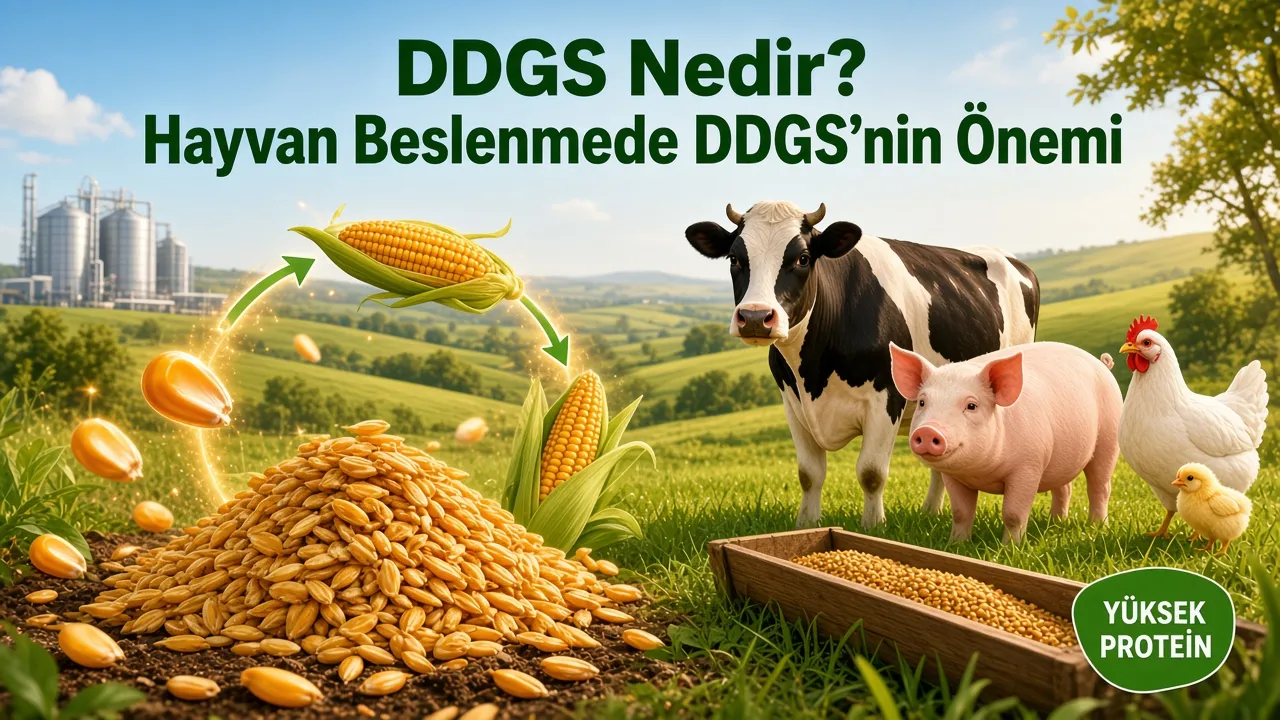
What is DDGS? The Importance of DDGS in Animal Nutrition
What is DDGS? The Importance of DDGS in Animal Nutrition DDGS is a high-nutritional-value feed raw material that emerges after the corn ethanol production process. Standing for "Dried Distillers Grains with Solubles," DDGS is widely used in the feed industry, particularly due to its structure rich in protein, energy, and digestible fiber. With rising feed costs in the livestock industry, the need for alternative feed raw materials with high nutritional value has gained greater importance. At this point, DDGS ranks among the strategic feed raw materials preferred especially in beef cattle, dairy cattle, and poultry nutrition. What is DDGS? DDGS is a by-product that emerges after corn undergoes the fermentation process during ethanol production. Because most of the starch is utilized during the production process, the remaining product possesses a concentrated nutritional value in terms of protein, fiber, fat, and minerals. DDGS used in the feed industry provides significant advantages in animal nutrition thanks to its: High energy value Protein content Digestible fiber structure Low starch content DDGS is utilized in feed rations as a source of both protein and energy. Nutritional Values of DDGS Due to its protein and energy content, DDGS is among the essential raw materials in the feed sector. While the nutritional values of the product can vary depending on the production method used, it generally possesses high nutritional characteristics. DDGS typically contains: Crude protein Crude fat Crude fiber Phosphorus B-group vitamins It is widely preferred in feeding programs, especially because it provides energy support to dairy cows and beef cattle. The Importance of DDGS in Animal Nutrition DDGS is a valuable feed ingredient that can be used across various animal groups. It plays a significant role in providing protein and energy support, particularly in ruminants. DDGS in Cattle Nutrition In dairy and feedlot operations, DDGS is utilized as an energy and protein source. When included in balanced feeding programs, it can help support feed efficiency. Use in Dairy Cows DDGS is widely preferred in the feed rations of dairy cows. Primarily due to its protein and energy content, it can contribute to supporting milk production performance. Use in Poultry Feeds In poultry diets, DDGS is utilized as a source of energy and protein. When incorporated at appropriate ratios, it can help optimize feed costs. Advantages of DDGS in the Feed Industry The primary advantages provided by the use of DDGS include: Offering high energy value Serving as a reliable protein source Containing digestible fiber Helping balance feed costs Having a low starch content As the demand for alternative protein sources increases in the feed sector, the scope of DDGS applications continues to expand. The Importance of Quality in DDGS Sourcing Quality standards in feed raw materials directly influence production performance. Moisture levels, storage conditions, and product standardization are of paramount importance in DDGS products. Key criteria for high-quality DDGS sourcing include: Selecting reliable suppliers Professional storage infrastructure Regular quality control procedures Robust logistics management More reliable operational processes in feed raw material trade can be established, especially through the Polatlı grain market, Turkish Grain Board (TMO) processes, and licensed warehousing systems. A Strategic Feed Raw Material in the Animal Feed Industry Access to quality feed raw materials is vital for sustainable production in the livestock sector. Thanks to its high energy value, protein content, and widespread application, DDGS is regarded as one of the strategic products in the feed industry. Supported by proper storage, a dependable supply chain, and quality product management, the utilization of DDGS contributes to more efficient and sustainable production processes across the feed sector. -
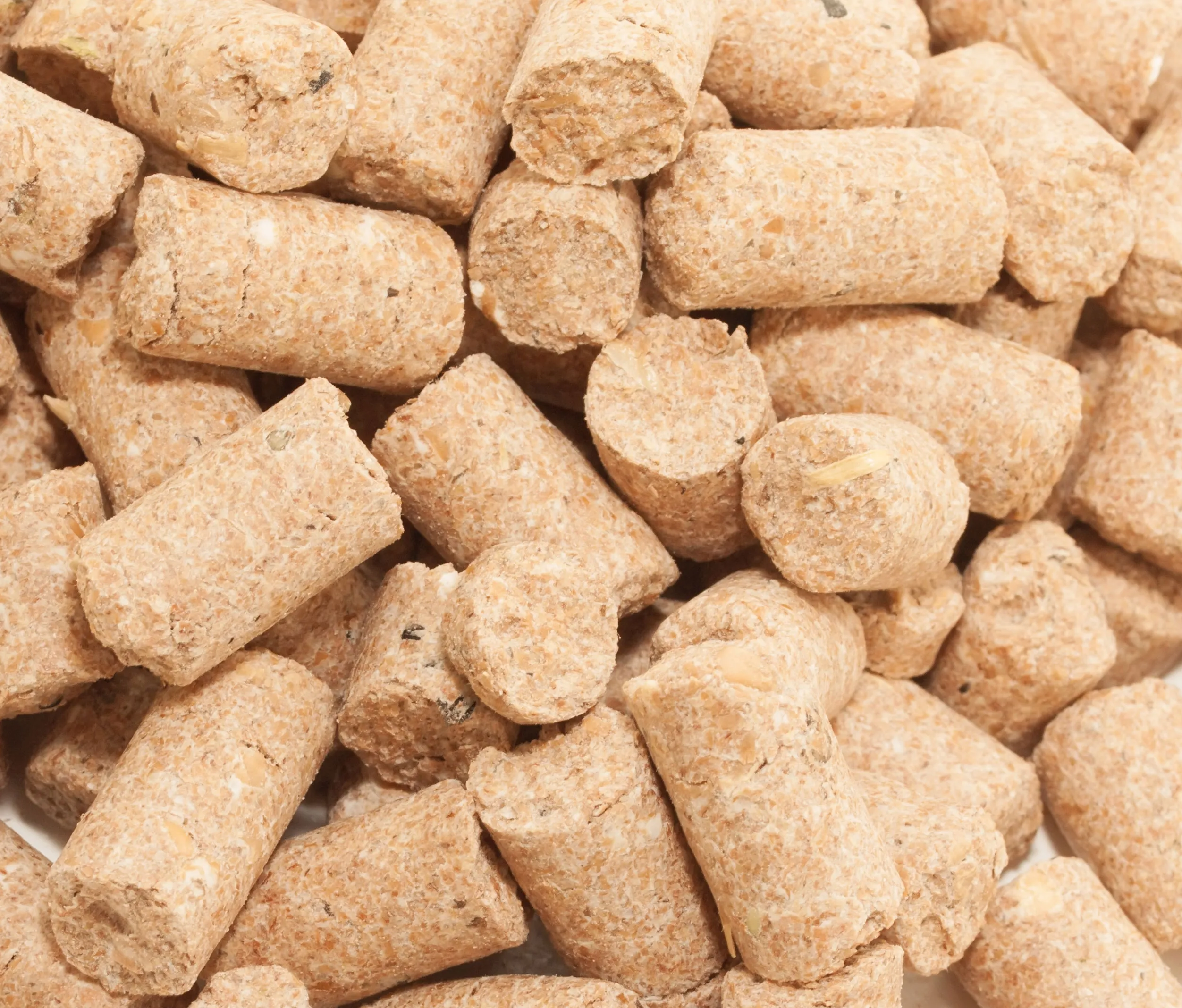
Selecting High-Quality Products and Reliable Suppliers for the Supply of Wheat Bran
Choosing Quality Products and a Reliable Supplier for Wheat Bran Supply Access to quality feed raw materials is of great importance for sustainable production in the livestock and feed industry. Wheat bran, which is particularly rich in fiber, is widely used in the nutrition of cattle, sheep and goats, and poultry. However, when sourcing wheat bran, not only the product price but also quality standards, storage conditions, logistics processes, and supply continuity play a critical role. Therefore, working with a reliable supplier provides significant advantages for businesses operating in the feed industry. Why Is Wheat Bran Preferred? Wheat bran is among the important feed raw materials, especially in the nutrition of ruminant animals, thanks to its high fiber content. The key advantages of wheat bran include: Being rich in fiber Having a structure that supports the digestive system Helping to balance feed rations Being among the economical feed raw materials Being suitable for use in cattle, sheep and goat, and poultry feeds Especially in dairy and fattening operations, wheat bran is considered one of the supplementary products used in feeding programs. Why Is Quality Important in Wheat Bran Supply? Quality standards in feed raw materials can directly affect production performance. In particular, improperly stored or low-quality products may lead to negative results in terms of feed efficiency. The main factors to consider when sourcing quality wheat bran include: Moisture and Storage Conditions Proper storage conditions are of great importance for maintaining product quality. Quality loss may occur in products where moisture is not properly controlled. Regular Product Supply To ensure an uninterrupted flow of products in feed production processes, it is necessary to work with companies that have a strong supply network. Professional Logistics Management Thanks to strong logistics infrastructure, products can be shipped more safely and in a more organized manner. Product Standardization Supplying products with consistent quality contributes to the more balanced preparation of feed rations. The Importance of the Polatlı Grain Market and TMO Processes Polatlı, one of Türkiye's important grain trade centers, has strategic importance in the feed raw materials sector. In particular, thanks to the Polatlı TMO and Haymana TMO centers, product storage and trading processes can be carried out in a more systematic manner. Thanks to this structure supported by the licensed warehousing system: Product safety is increased Storage processes are managed in a more controlled manner Grain trade becomes more sustainable The supply chain is managed more efficiently This provides significant operational advantages for businesses operating in the feed industry. Sin Tarım's Approach to Wheat Bran Supply With its experience in the grain raw materials sector, Sin Tarım aims to provide its customers with a reliable supply of wheat bran. The company provides sustainable solutions to the feed industry through its strong supply network, logistics infrastructure, and quality-focused service approach. In particular: Regular product supply Reliable shipping processes Professional storage management An operational structure compatible with TMO processes Product management in accordance with quality standards These capabilities enable the company to provide customers with more reliable trading processes. Thanks to its operational strength in the Polatlı grain market and regional logistics advantages, Sin Tarım manages the product flow required by businesses in the feed industry in a more planned manner. The Advantage of Working with a Reliable Business Partner in the Feed Industry Choosing the right business partner for wheat bran supply is of great importance in terms of quality, continuity, and operational efficiency. Sin Tarım aims to provide reliable solutions to businesses through its strong logistics infrastructure, customer-oriented approach, and experience in grain trading. With quality product supply, a sustainable supply chain, and professional operational management, the company continues its operations as one of the long-term solution partners for businesses in the feed industry. -
What is Wheat Bran? Nutritional Values and Uses
What Is Wheat Bran? The Importance of Wheat Bran in Animal Nutrition Wheat bran is one of the important by-products obtained by milling wheat during flour production. Thanks to its high fiber content, wheat bran is widely used especially in the feed industry and is among the important feed raw materials in cattle and sheep and goat nutrition. With the increase in feed costs in the livestock sector, the need for economical and nutritious feed raw materials has become even more important. At this point, wheat bran has become one of the frequently preferred products in feed rations thanks to its fiber, energy, and carbohydrate content. What Is Wheat Bran? Wheat bran is a feed raw material consisting of the outer layers separated from wheat during the flour production process. Bran obtained after milling and screening processes can be used both in the feed industry and in some food products. Wheat bran, especially used in the feed industry, is widely preferred due to its: High fiber content Energy value Structure that contributes to digestion Being an economical feed raw material For these reasons, it is widely preferred. Wheat bran is among the important supportive feed raw materials used in the nutrition of ruminant animals. Uses of Wheat Bran Wheat bran is one of the important by-products that can be utilized in different industries. It has a particularly wide range of uses in the feed industry. Use in Animal Nutrition Wheat bran can be used in cattle, sheep and goat, and poultry feeds. Thanks to its fiber-rich structure, it may contribute to supporting the digestive system. It is widely preferred in feed rations prepared especially for: Cattle Sheep Goats Poultry animals. Balanced Use in Feed Rations Wheat bran is generally used together with barley, corn, feed wheat, and protein sources to help create balanced feeding programs. Thanks to its fiber content, it can contribute to supporting rumen health, especially in ruminant animals. Nutritional Values of Wheat Bran Wheat bran is among the feed raw materials that are particularly rich in fiber. It also plays an important role in the feed industry thanks to its carbohydrate and energy value. In general, wheat bran contains: Crude fiber Protein Carbohydrates Starch Fat These components are present in wheat bran. Thanks to these characteristics, it is used as a supportive feed raw material in feed rations. Wheat Bran and the Digestive System In ruminant animals, fibrous feed raw materials are of great importance for the digestive system. Wheat bran may contribute to balancing digestive processes thanks to its high fiber content. It is preferred in feeding programs especially for: Supporting rumen microflora Maintaining digestive regularity Supporting feed utilization efficiency these purposes. However, as with every feed raw material, it is important to use wheat bran in a balanced manner. The Importance of Quality in Wheat Bran Supply Quality standards are of great importance for raw materials used in the feed industry. The moisture content, storage conditions, and product standard of wheat bran can directly affect feed efficiency. For quality product supply: Choosing a reliable supplier Professional storage infrastructure Regular product inspection Strong logistics management are among the important criteria. In particular, thanks to the Polatlı grain market, TMO processes, and licensed warehousing infrastructure, more reliable operational processes can be established in the trade of feed raw materials. An Important Feed Raw Material in the Feed Industry Access to quality feed raw materials is of great importance for sustainable production in the livestock sector. Wheat bran is considered one of the important products in the feed industry thanks to its economical structure, fiber content, and wide range of applications. Wheat bran use supported by proper storage, quality product management, and reliable supply processes contributes to more efficient and sustainable production processes in the feed industry. -
What is Wheat Bran? Nutritional Values and Uses
What Is Wheat Bran? The Importance of Wheat Bran in Animal Nutrition Wheat bran is one of the important by-products obtained by milling wheat during flour production. Thanks to its high fiber content, wheat bran is widely used especially in the feed industry and is among the important feed raw materials used in cattle and small ruminant nutrition. As feed costs have increased in the livestock sector, the need for economical and nutritious feed raw materials has become even more important. At this point, wheat bran has become one of the frequently preferred products in feed rations thanks to its fiber, energy, and carbohydrate content. What Is Wheat Bran? Wheat bran is a feed raw material consisting of the outer layers separated from wheat during the flour production process. The bran obtained after milling and screening processes can be used both in the feed industry and in certain food products. Wheat bran, particularly used in the feed industry, is widely preferred due to its: High fiber content Energy value Structure that contributes to digestion Being an economical feed raw material For these reasons, it is widely preferred. Wheat bran is among the important supportive feed raw materials used in the nutrition of ruminant animals. Uses of Wheat Bran Wheat bran is an important by-product that can be utilized in different industries. It has a particularly wide range of applications in the feed industry. Use in Animal Nutrition Wheat bran can be used in cattle, small ruminant, and poultry feeds. Thanks to its fiber-rich structure, it may contribute to supporting the digestive system. It is widely preferred in feed rations prepared especially for: Cattle Sheep Goats Poultry Balanced Use in Feed Rations Wheat bran is generally used together with barley, corn, feed wheat, and protein sources to help create balanced feeding programs. Thanks to its fiber content, it may contribute to supporting rumen health, particularly in ruminant animals. Nutritional Values of Wheat Bran Wheat bran is among the feed raw materials that are particularly rich in fiber. At the same time, it plays an important role in the feed industry thanks to its carbohydrate and energy value. Wheat bran generally contains: Crude fiber Protein Carbohydrates Starch Fat Thanks to these characteristics, it is used as a supportive feed raw material in feed rations. Wheat Bran and the Digestive System Fiber-rich feed raw materials are of great importance for the digestive system of ruminant animals. Thanks to its high fiber content, wheat bran may contribute to maintaining balanced digestive processes. It is preferred in feed programs particularly for: Supporting rumen microflora Maintaining digestive regularity Supporting feed utilization efficiency However, as with every feed raw material, it is important to use wheat bran in a balanced manner. The Importance of Quality in Wheat Bran Supply Quality standards are of great importance for raw materials used in the feed industry. The moisture content, storage conditions, and product standards of wheat bran can directly affect feed efficiency. For quality product supply: Choosing a reliable supplier Professional storage infrastructure Regular product quality control Strong logistics management are among the important criteria. In particular, thanks to the Polatlı grain market, TMO processes, and licensed warehousing infrastructure, more reliable operational processes can be established in the trade of feed raw materials. An Important Feed Raw Material in the Feed Industry Access to high-quality feed raw materials is of great importance for sustainable production in the livestock sector. Wheat bran is considered one of the important products in the feed industry thanks to its economical structure, fiber content, and wide range of applications. The use of wheat bran supported by proper storage, high-quality product management, and reliable supply processes contributes to more efficient and sustainable production processes in the feed industry. -
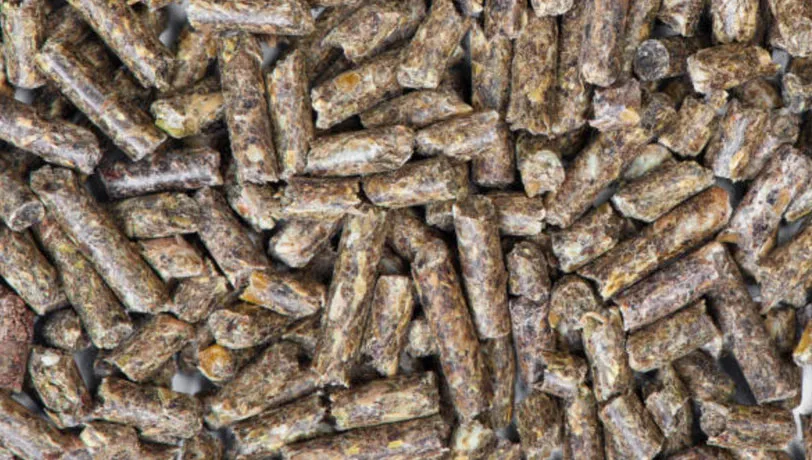
Selecting a Reliable Supplier for Sunflower Seed Meal (SSM)
Choosing a Reliable Supplier for Sunflower Seed Meal (SSM) Supply Access to high-quality protein sources in the feed industry is of great importance for sustainable livestock farming. Sunflower Seed Meal (SSM), which is widely used especially in dairy and beef cattle operations, is one of the most important raw materials in feed rations thanks to its high protein and fiber content. However, when using SSM, not only the nutritional value of the product but also product quality, storage conditions, logistics processes, and supply continuity play a critical role. Therefore, working with a reliable SSM supplier provides significant advantages for feed manufacturers and livestock operations. Why Is Sunflower Seed Meal Preferred? Sunflower Seed Meal is widely used in the nutrition of ruminants, particularly due to its high protein content. The key advantages of SSM include: Providing a high protein value Contributing to balanced nutrition through its fiber content Being easily incorporated into feed rations Being widely used in both cattle and sheep and goat farming Helping optimize feed costs SSM is considered an important protein source, particularly in the feeding programs of dairy cows and beef cattle. Why Is Quality Important in SSM Supply? Quality standards in sunflower seed meal can directly affect feed efficiency. In particular, low-quality or improperly stored products may lead to adverse results in feed performance. The main factors to consider when sourcing high-quality SSM are: Protein Content The protein value of sunflower seed meal is one of the most important criteria determining product quality. Moisture and Storage Conditions Improper storage conditions may negatively affect product quality. Therefore, professional storage infrastructure is of great importance. Regular Product Supply In order to ensure an uninterrupted flow of products in feed production processes, it is essential to work with companies that have a reliable and regular supply infrastructure. Logistics Management Thanks to professional logistics processes, products can be shipped more safely and efficiently. Sin Tarım's Approach to SSM Supply With its experience in the feed raw materials sector, Sin Tarım aims to provide its customers with reliable Sunflower Seed Meal supply. The company develops sustainable solutions for the needs of the feed industry through its strong supply network, logistics infrastructure, and quality-oriented operational approach. In particular: Regular product supply Reliable logistics processes Professional storage management An operational structure compliant with TMO and licensed warehouse processes Product management in accordance with quality standards Through these capabilities, more reliable trading processes are provided to customers. Thanks to Sin Tarım's operational strength in the Polatlı grain market and its regional logistics advantages, SSM shipment processes can be managed more efficiently. Advantages Provided by the Polatlı Grain Market and TMO Processes Polatlı, one of Türkiye's major centers for agricultural and feed raw material trade, stands out with its strong commercial infrastructure. In particular: Polatlı TMO Haymana TMO Licensed warehouses Modern logistics infrastructure Thanks to these facilities, the trade of feed raw materials can proceed in a safer and more sustainable manner. This structure helps preserve product quality standards while enabling shipment processes to be carried out in a more planned and efficient manner. The Importance of Working with a Reliable Business Partner in the Feed Industry Choosing the right business partner for Sunflower Seed Meal supply is of great importance in terms of quality, logistics, and operational management. Sin Tarım aims to provide reliable solutions to businesses through its strong supply network, customer-oriented approach, and experience in the feed raw materials sector. With its sustainable product supply, high-quality SSM management, and professional logistics processes, the company continues to operate as a long-term solution partner for businesses in the feed industry. -
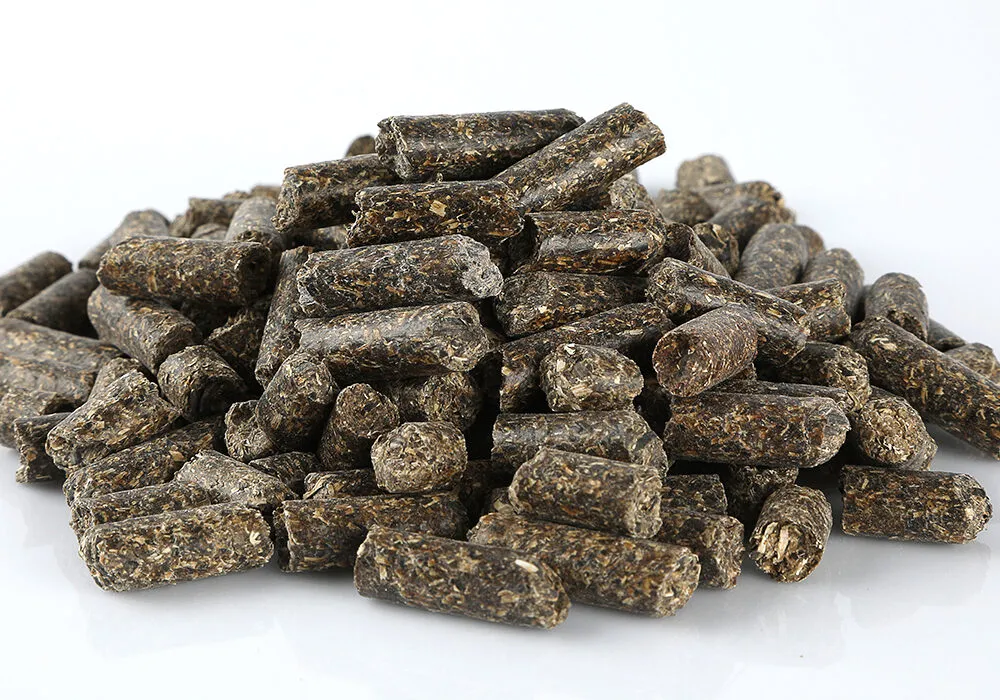
What is Sunflower Seed Meal (SSM)? Nutritional Values and Uses
What Is Sunflower Seed Meal (SSM)? Its Importance in Animal Nutrition Sunflower Seed Meal (SSM) is one of the valuable feed raw materials remaining after the oil production process from sunflower seeds. Thanks to its high protein and fiber content, SSM is widely used in the feed industry and is considered an important protein source, particularly in cattle and sheep nutrition. With the increase in feed costs in the livestock sector, the need for feed raw materials with high protein value has become even more important. At this point, sunflower seed meal has become one of the most preferred products in feed rations thanks to its economical structure and nutritional properties. What Is Sunflower Seed Meal (SSM)? Sunflower seed meal is a by-product obtained after extracting oil from sunflower seeds. After the oil is separated through pressing or solvent extraction methods during the production process, the remaining portion is used as a feed raw material. SSM provides significant advantages in animal nutrition, particularly due to its: High protein content Fiber content Energy value Mineral composition Sunflower seed meal used in the feed industry is widely utilized in dairy farming, beef cattle operations, and sheep and goat farming. Nutritional Values of Sunflower Seed Meal Sunflower seed meal is among the feed raw materials that stand out with their protein and fiber content. The nutritional values of the product may vary depending on the production method and the proportion of sunflower seed hulls. In general, SSM contains high levels of: Crude protein Crude fiber Carbohydrates Mineral content Especially due to its protein value, sunflower seed meal plays an important role as a protein source in feed rations. The Importance of SSM in Animal Nutrition Sunflower seed meal is one of the feed raw materials commonly used in the nutrition of ruminant animals. It is particularly preferred in feeding programs for dairy cows and beef cattle. The advantages of using SSM include: Contributes to meeting protein requirements Helps balance feed rations May support the digestive system due to its fiber content May contribute to optimizing feed costs When used as part of balanced ration programs, it can contribute to achieving efficient results in animal nutrition. How Is Sunflower Seed Meal Used? Sunflower seed meal is generally used in a balanced manner together with other feed raw materials. The amount used may vary depending on the animal species, age, and production purpose. It is widely preferred particularly in: Cattle farming Sheep and goat farming Dairy farms Beef cattle operations In professional feed planning, SSM can be used together with barley, corn, feed wheat, and other protein sources to contribute to the formulation of balanced rations. The Importance of Quality in SSM Supply Product quality is of great importance when supplying sunflower seed meal. Factors such as moisture content, storage conditions, and product standards can directly affect feed efficiency. Key criteria for quality SSM supply include: Selecting a reliable supplier Proper storage conditions Professional logistics management Regular product inspection Thanks particularly to the Polatlı grain market, TMO processes, and licensed storage infrastructure, more reliable operational processes can be established in the trade of feed raw materials. A Strategic Feed Raw Material in the Feed Industry Access to high-quality feed raw materials is of great importance for sustainable production in the livestock sector. Sunflower seed meal is considered one of the strategic products in the feed industry thanks to its high protein value, economical structure, and wide range of applications. The use of SSM supported by proper storage, a reliable supply chain, and high-quality product management contributes to more efficient and sustainable production processes in the feed industry. -
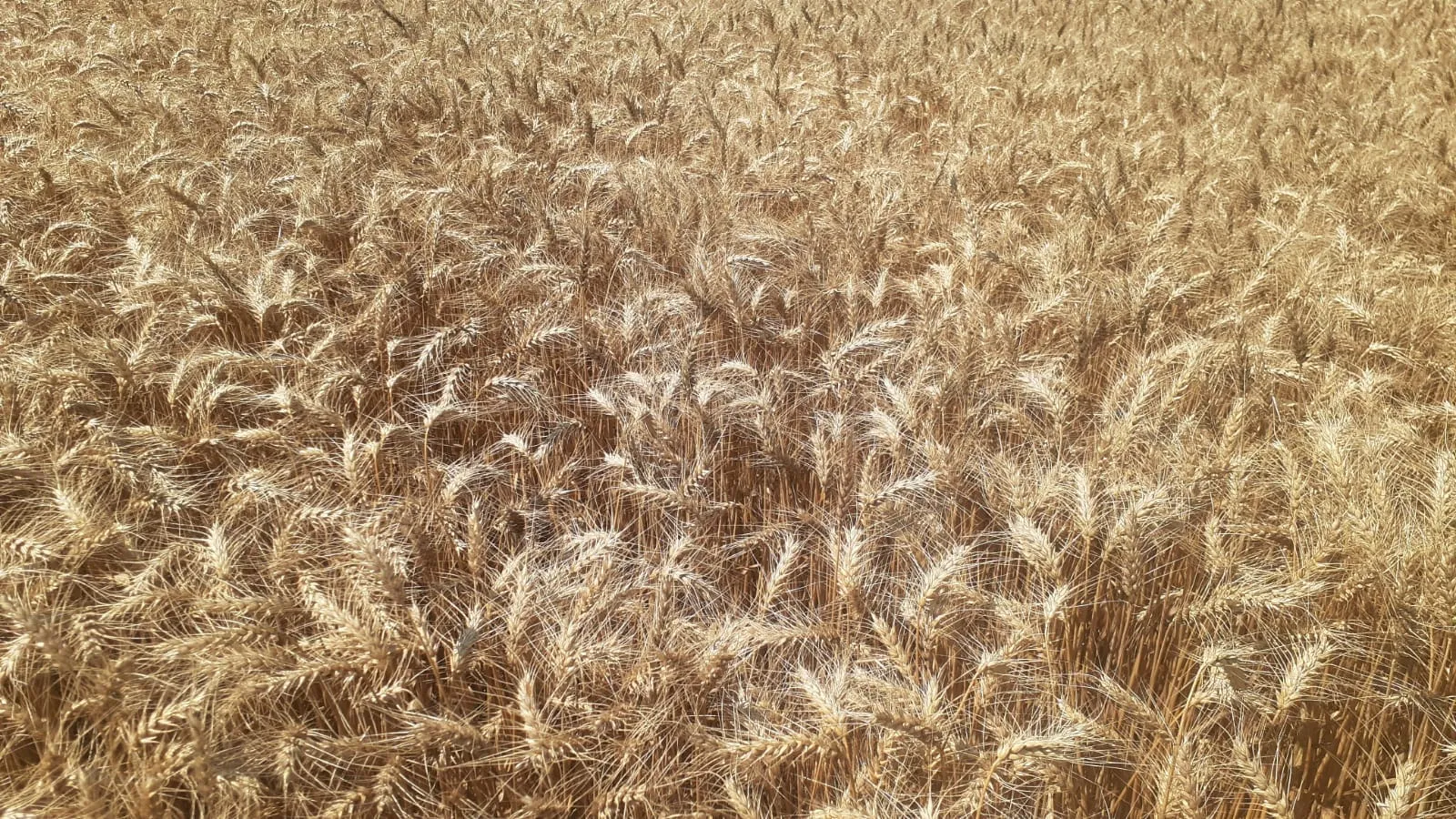
High-Quality Grain Supply and Agricultural Sustainability
The Importance of Quality Grain Supply in Agricultural Sustainability Quality product supply is at the heart of sustainable growth in the agricultural and feed industries. Especially for grain raw materials, the right product selection, reliable logistics processes, and regular supply management are among the most important factors ensuring that production processes proceed efficiently. Sin Tarım conducts its activities in the grain raw materials sector not only with a product sales-oriented approach, but also with an understanding of sustainable agriculture, quality standards, and a reliable supply chain. The company aims to provide more reliable solutions to its customers through an operational structure integrated with the Polatlı grain market and TMO processes. Why Is Quality Grain Raw Material Important? The quality standards of raw materials used in the feed and agricultural industries can directly affect production performance. In particular: Wheat Barley Corn Oats Sunflower seed meal DDGS Wheat bran Rice bran Corn bran Canola meal Cottonseed meal Proper storage and high-quality supply processes are of great importance for products such as these. The use of high-quality products can help to: Increase feed efficiency Reduce product losses Support animal nutritional performance Make production processes more sustainable Therefore, working with the right grain supplier provides long-term advantages for businesses. Sin Tarım's Quality-Oriented Supply Approach Sin Tarım aims to provide its customers with sustainable and reliable supplies of grain raw materials. Quality control processes, logistics planning, and a consistent product flow play an important role in the company's operational structure. In particular: Strong supply network Professional logistics management Licensed storage infrastructure Operational management compliant with TMO processes Regular shipment planning Thanks to these capabilities, product supply is managed in a more controlled manner. This structure enables the grain raw materials required by customers to be supplied in a safer and more sustainable manner. Advantages of TMO and Licensed Warehousing The TMO and licensed warehousing system provides significant advantages in terms of maintaining product safety and quality standards in grain trading. Especially through the Polatlı TMO and Haymana TMO centers: Product storage processes are carried out systematically Grain trading is managed in a more controlled manner Product standardization is maintained The supply chain becomes more sustainable This structure, supported by modern licensed warehousing systems, creates a reliable trading environment for businesses operating in the feed and agricultural industries. Strong Cooperation for Agricultural Sustainability Sustainable growth in the agricultural sector is possible not only through quality products but also through strong partnerships. Sin Tarım focuses on developing solutions tailored to the needs of businesses through its customer-oriented approach. As part of its service approach: Regular product supply is provided Logistics processes are optimized Shipment planning is carried out professionally Product quality is kept under control Long-term business partnerships are supported Through this approach, Sin Tarım continues its operations as one of the reliable solution partners for businesses in the agricultural and feed industries. The Importance of Working with a Reliable Solution Partner in Grain Trading For successful operations in the grain raw materials sector, not only product prices but also quality, logistics infrastructure, and supply continuity are of great importance. With its experience in the Polatlı grain market, operational expertise in TMO processes, and sustainable supply approach, Sin Tarım aims to provide its customers with more reliable, planned, and efficient trading processes. Operations carried out with quality product supply, strong logistics infrastructure, and a customer-oriented service approach are among the most important building blocks of sustainable growth in the agricultural sector. -
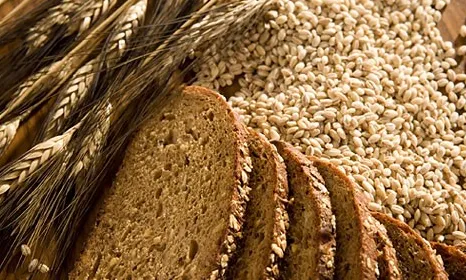
Sin Tarım’s Approach to Sustainable Agriculture and Reliable Supply
Sin Tarım’s Approach to Agricultural Sustainability and Reliable Supply Sustainable growth in the agricultural sector is possible not only through production capacity but also through quality product supply, strong logistics infrastructure, and reliable business partnerships. Especially for companies operating in the grain raw materials sector, establishing a sustainable supply chain is of great importance for both producers and industry stakeholders. Sin Tarım continues its activities in the grain raw materials trade with a focus on quality, sustainability, and customer-oriented service. The company aims to contribute to the agricultural sector by establishing reliable supply processes for wheat, barley, corn, oats, sunflower meal, DDGS, wheat bran, and other feed raw materials. Agricultural Sustainability and Quality-Focused Approach Maintaining quality standards is of critical importance for sustainable production in the modern agricultural sector. Sin Tarım provides solutions for the needs of both the agricultural and feed industries by prioritizing quality product supply in its grain raw materials operations. As part of the company’s sustainability approach: Establishing a reliable supply chain Maintaining high-quality product standards Optimizing storage and logistics processes Developing long-term business partnerships Supporting sustainable growth in the agricultural sector are among the company’s key objectives. In particular, operations carried out in close proximity to the Polatlı grain market and TMO processes contribute to a more systematic and efficient product supply process. Innovative Solutions in Grain Trade Changing market conditions in the agricultural and feed sectors encourage companies to develop more innovative solutions. Sin Tarım aims to provide its customers with more reliable and sustainable services by continuously improving its sales, marketing, and supply processes. The company’s product groups include strategically important feed raw materials such as: Wheat Barley Corn Oats Sunflower meal DDGS Wheat bran Rice bran Corn bran Canola meal Cottonseed meal Through modern storage systems, logistics planning, and professional supply management, shipping processes are managed more efficiently while maintaining product quality standards. Customer-Oriented Service and Strong Business Partnerships For long-term success in grain trade, not only product sales but also reliable business partnerships are of great importance. Sin Tarım focuses on analyzing customer needs and developing solutions tailored to the sector. In particular: Regular product supply Strong logistics infrastructure Professional shipment management Compliance with TMO and licensed warehousing processes Quality-focused product management are among the key elements of the company’s service approach. Through this approach, Sin Tarım aims to become one of the reliable solution partners for businesses operating in the agricultural and feed sectors. Strong Operations Management in the Polatlı Grain Market Polatlı, one of Türkiye’s major grain centers, stands out with its strong production capacity and trade infrastructure. TMO centers, licensed warehouses, and logistics networks in the region contribute to the more systematic development of grain trade. Thanks to Sin Tarım’s operational approach in Polatlı and its surrounding areas: Continuity in product supply is ensured Storage processes are managed more securely Shipment planning is optimized The supply chain is managed more efficiently This structure provides significant advantages for both businesses operating in the feed sector and stakeholders in the agricultural sector. Reliable and Sustainable Growth in the Agricultural Sector Sustainable success in the agricultural sector is possible through the combined management of quality, reliability, and professional operational processes. Sin Tarım continues to create value in the grain raw materials sector with its customer-oriented approach, strong supply network, and sustainable trade philosophy. The company’s quality-focused service approach, operational structure aligned with TMO processes, and strong business partnerships contribute to the development of more reliable and sustainable trade processes in the agricultural sector. -
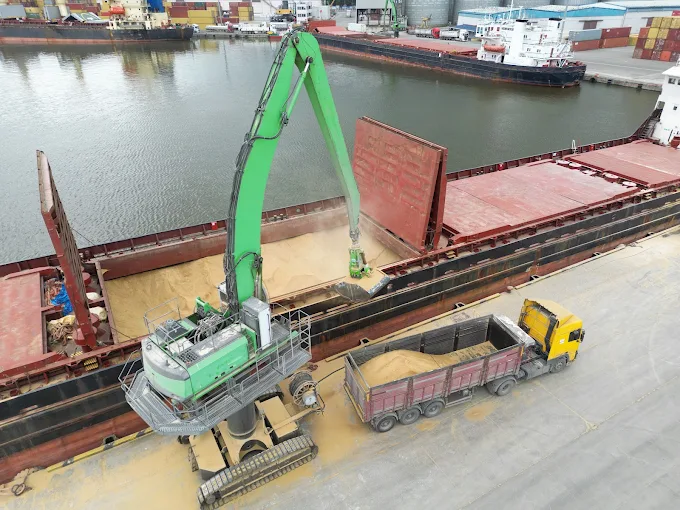
Polatlı: A Reliable Supplier of Grain
The Importance of Choosing a Reliable Business Partner for Grain Supply in Polatlı For sustainable success in the grain trade, not only product quality but also reliable supply management is of great importance. Especially for businesses operating in the feed, agriculture, and food sectors, a regular product flow is one of the key factors ensuring the uninterrupted continuation of production processes. The Polatlı grain market stands out as one of Türkiye’s most important trade centers thanks to its strong production capacity, TMO infrastructure, and licensed warehousing system. For this reason, reliable grain companies operating in Polatlı provide significant advantages in the sector. Why Is Reliable Supply Important in the Polatlı Grain Market? In the grain sector, timely delivery and proper storage of products are just as critical as product quality. Especially for products such as: Wheat Barley Feed wheat Corn Oats Wheat bran a regular supply process directly affects the operations of businesses. Thanks to professional supply management: Product continuity is ensured Logistics processes become more efficient Quality losses caused by storage are reduced Shipping processes are accelerated Production planning becomes easier for businesses Therefore, companies with strong logistics infrastructure can offer more reliable solutions in the grain trade. Advantages of TMO and Licensed Warehousing The Polatlı TMO and Haymana TMO centers are among the important structures contributing to the more systematic development of grain trade in the region. Particularly through licensed warehousing systems, products are stored under modern conditions and quality standards are maintained. Thanks to TMO-supported storage processes: Product safety is increased Grain trade is carried out in a more controlled manner Product standardization is ensured The supply chain becomes more sustainable This structure provides significant advantages for both producers and companies engaged in grain supply. The Importance of Logistics Strength in Grain Supply Strong logistics management is at the heart of successful operations in the grain trade. Delivering products at the right time, under proper storage conditions, and safely is of critical importance for businesses in the feed and agriculture sectors. The advantages provided by the Polatlı region particularly stand out as: Strong production capacity of Central Anatolia TMO and licensed warehousing infrastructure Advanced shipping network Strategic logistics location High product turnover in the grain trade For this reason, experienced companies operating in the Polatlı grain market can manage their supply processes more efficiently. Sin Tarım’s Grain Supply Approach With its experience in the grain raw materials sector, Sin Tarım aims to provide reliable supply solutions to its customers. The company makes product supply more sustainable through its strong trade network, storage infrastructure, and logistics approach in the Polatlı and Haymana regions. Sin Tarım focuses on maintaining quality standards and ensuring a regular supply of products, particularly in the following areas: Wheat Barley Feed grain products Feed raw materials Grain by-products Thanks to its operational structure supported by TMO processes, licensed warehousing systems, and professional logistics management, the company provides its customers with more reliable trading processes. The Importance of Working with the Right Business Partner in Grain Trade Choosing the right business partner in the grain sector makes a significant difference in terms of quality, continuity, and operational efficiency. Working with companies that have a strong supply network: Ensures continuity in product supply Reduces operational risks Optimizes logistics processes Creates long-term commercial advantages In the Polatlı grain market, companies with strong infrastructure, expertise in TMO processes, and professional logistics operations provide more sustainable solutions for businesses in the feed and agriculture sectors. Sin Tarım is also among the reliable solution partners in the grain trade with its quality-focused service approach, strong supply network, and industry experience. -
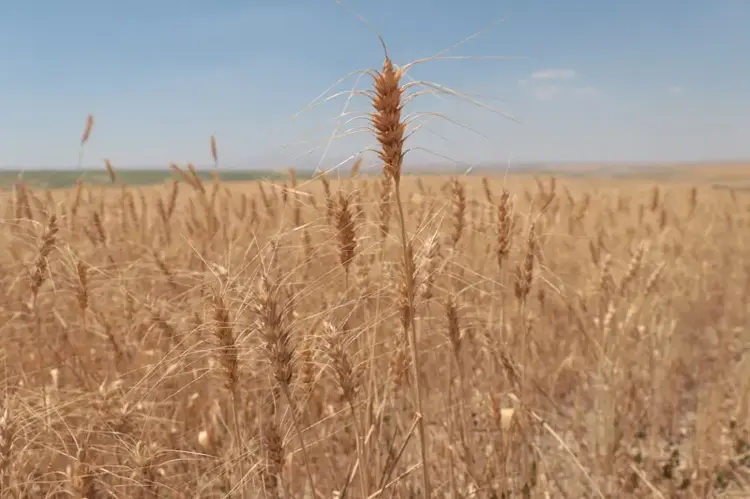
Polatlı Grain Market: Supply Chain and Price Dynamics
Polatlı Grain Market: Supply Chain and Price Dynamics Polatlı, one of Türkiye’s most important agricultural centers, is among the regions that play a strategic role in grain trading. With a high trading volume particularly in wheat, barley, corn and feed grain products, the region is an important center for both producers and companies operating in the feed industry. The Polatlı grain market forms an important balancing point in Türkiye’s agricultural sector thanks to its production capacity, licensed warehousing infrastructure, TMO activities and strong logistics network. The Importance of the Polatlı Grain Market Polatlı, which has a strong agricultural infrastructure in the Central Anatolia Region, has stood out as one of the centers of grain trading for many years. Thanks to the region’s high production capacity, intensive trading takes place in products such as: Wheat Barley Feed wheat Corn Oats The Polatlı Commodity Exchange and TMO centers contribute to the more systematic management of product movements in the region. Especially during harvest periods, the intensive flow of products makes Polatlı one of the most active grain trading points in Türkiye. How Does the Grain Supply Chain Work? The grain supply chain covers all processes involved in purchasing the product from the producer, storing it, shipping it and delivering it to the end user. Logistics management and storage infrastructure are of great importance throughout this process. For grain companies operating in the Polatlı region, elements such as: Licensed warehousing systems TMO storage processes Warehouse receipt applications Shipment organization Logistics planning are among the key components of the supply chain. Especially through licensed warehousing systems, product quality standards are maintained while trading processes can proceed more securely. The Role of TMO in the Grain Market The Turkish Grain Board (TMO) is one of the important institutions that plays a balancing role in Türkiye’s grain market. In particular, centers such as Polatlı TMO and Haymana TMO are of critical importance to the sector in terms of product purchasing processes and storage activities. TMO’s contributions to the market include: Maintaining the balance of product supply Supporting storage processes Enabling producers to manage and market their products securely Supporting market stability in grain trading Thanks to this structure, a more sustainable trading environment is created for both producers and companies engaged in grain trading. Factors Affecting Grain Prices Prices in the grain market may vary depending on the period. However, the main factors determining price movements are generally based on similar factors. In particular: Harvest period intensity Climate conditions Global grain supply Import and export processes TMO policies Logistics costs Regional production capacity factors such as these can directly affect price dynamics in the Polatlı grain market. Therefore, market monitoring and strong supply management are of great importance for companies operating in grain trading. Licensed Warehousing and Logistics Strength in Polatlı The Polatlı region stands out not only for its production capacity but also for its advanced storage and logistics infrastructure. Thanks to licensed warehouses in particular, products are stored under modern conditions and quality losses are minimized. Thanks to professional storage systems: Product safety is increased Moisture control is ensured Shipment processes are accelerated The supply chain is managed more efficiently This provides significant operational advantages for companies operating in the feed and agricultural sectors. Reliable Supply Management in Polatlı Grain Trading Reliable supply management is as important as product quality for sustainable success in grain trading. In particular, the strong agricultural infrastructure in the Polatlı and Haymana regions provides companies with an advantage in terms of regular product supply. Experienced companies in the sector, such as Sin Tarım, aim to manage supply processes more efficiently through their strong logistics infrastructure, investments in storage facilities and experience in grain trading. The Polatlı grain market continues to be one of the most important centers of Türkiye’s agricultural sector thanks to its TMO infrastructure, licensed warehousing system and strong trading network. -
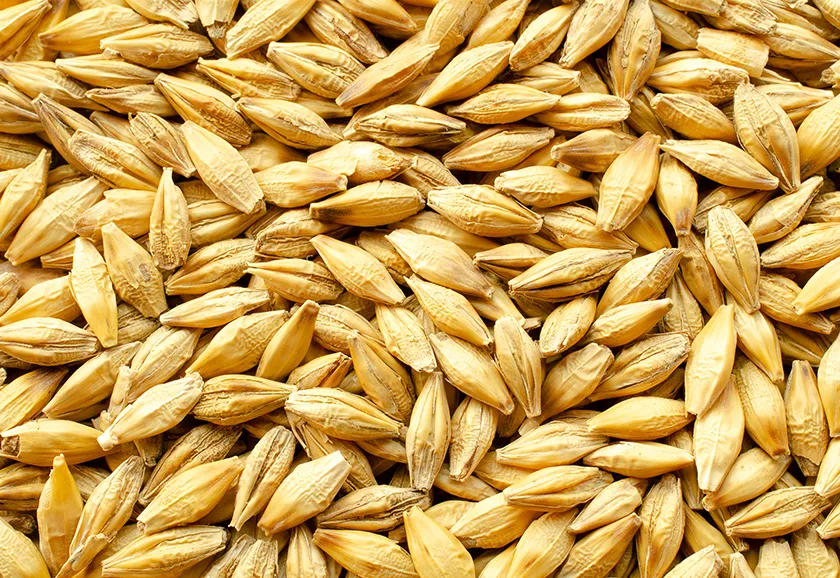
Selecting High-Quality Products and Reliable Suppliers for Barley Procurement
Quality Product and Reliable Supplier Selection in Barley Supply The use of high-quality feed raw materials in the livestock and feed industries is of great importance for efficient production processes. In this context, barley is among the most preferred feed raw materials due to its high energy value and economical nature. Particularly used in cattle and sheep and goat nutrition, barley provides businesses with both quality and cost advantages when sourced correctly. Due to increasing feed costs, businesses are placing greater importance on working with reliable barley suppliers. Quality products, regular shipments and a strong logistics infrastructure form the basis of sustainable business processes in barley trading. Why Is Barley Preferred? Barley is one of the important energy sources for ruminant animals. Thanks to its high starch content, it is widely used in feed rations. The main advantages of barley include: Providing high energy value Helping to balance feed costs Being widely used in cattle and sheep and goat farming Being easy to store Having a structure suitable for feed rations Especially in beef and dairy operations, barley is considered one of the important components of balanced feeding programs. What Should Be Considered When Sourcing Barley? When purchasing barley, not only the price but also product quality and supply continuity are of great importance. Low-quality or improperly stored products may negatively affect animal performance and feed efficiency. Product Quality Grain structure, moisture content and product cleanliness are among the important criteria for quality barley supply. Products stored under appropriate conditions provide safer use. Regular Supply Process Product continuity is critical for businesses engaged in feed production. Companies capable of providing regular barley supply contribute to the uninterrupted continuation of production processes. Storage and Logistics Proper transportation and storage of barley are important for maintaining product quality. With a professional logistics infrastructure, shipment processes can be managed more safely and efficiently. Barley Trading in the Polatlı and Haymana Region The Polatlı and Haymana region, one of Türkiye's important grain production centers, has strategic importance in barley trading. Thanks to the region's strong agricultural infrastructure, a regular flow of products to the feed industry is maintained. Thanks to Polatlı TMO and the storage infrastructure in the region, products can be safely stored and trading processes can be managed more efficiently. The advantages offered by the Polatlı and Haymana corridor include: Strong grain production capacity Advanced storage infrastructure Logistical advantages Proximity to the feed industry Opportunities for regular product supply For this reason, the region is among Türkiye's important centers for barley trading. Efficiency in Barley and Livestock Farming The use of the right feed raw materials directly affects efficiency in livestock operations. The use of quality barley can: Support animals' energy requirements Improve feed utilization Support fattening performance Help balance feed costs Especially in professional feed planning, reliable supply of quality barley provides an important advantage for sustainable production. The Contribution of Reliable Barley Supply to the Industry A reliable supply chain is of great importance for sustainable growth in the agricultural and feed industries. Barley trading supported by quality products, regular shipments and professional logistics processes contributes to businesses operating more efficiently and systematically. Quality barley products sourced from strong production regions such as Polatlı and Haymana are among the sustainable and reliable solutions required by the feed industry. -
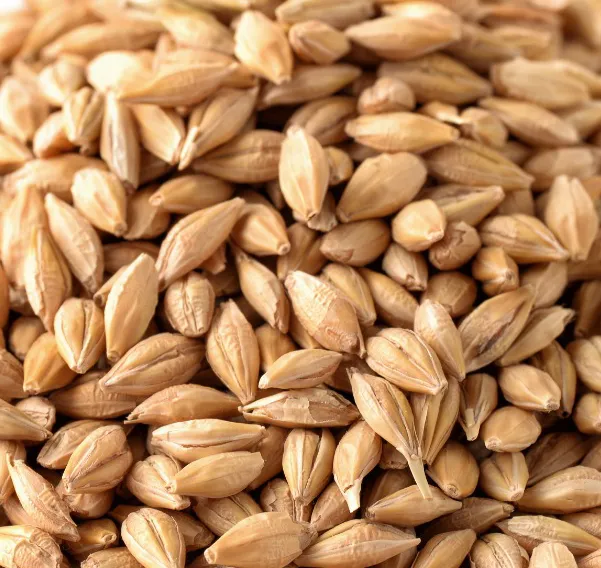
What Is Barley? The Importance of Barley in Animal Nutrition
What is Barley? The Importance of Barley in Animal Nutrition Barley is one of the important cereal crops used in both feed and malt production. Especially in the livestock sector, barley is widely preferred due to its high energy value and is among the important feed raw materials in cattle and small ruminant nutrition. Thanks to its easily digestible structure and nutritional properties, barley is used as an energy source in feed rations. Especially in ruminant animals, when used in the right amounts, it can contribute to nutritional efficiency. What is Barley? Barley is one of the important cereal grains belonging to the grass family. Widely used in agriculture and livestock sectors, barley is utilized in the feed industry, malt production, and various agricultural applications. Barley used in animal nutrition stands out as an energy source due to its high starch content. It is frequently preferred, especially in cattle and small ruminant feeds. Barley can be used by crushing, cracking, or processing according to the nutritional needs of different animal species. The Importance of Barley in Animal Nutrition Barley is one of the important feed sources for ruminant animals. However, the amount used and the feeding program should be planned according to the animal's species, age, and production purpose. When used correctly, barley: Supports the energy needs of animals Can increase feed efficiency Can contribute to fattening performance Supports balanced ration formulation Especially in dairy and beef cattle farming, barley is among the commonly used feed raw materials. Digestibility and Energy Value of Barley Barley is one of the grains that provides advantages in animal nutrition with its easily digestible structure. Thanks to its high energy content, it contributes to meeting the daily energy needs, especially of ruminant animals. However, excessive use of barley can cause some digestive problems. Therefore, barley should be given in a controlled manner within a balanced ration program. Especially in cattle: Gradual feed transition Balanced with protein sources Controlled portion application are among the important nutritional criteria. Things to Consider When Using Barley It is important that barley used in animal nutrition is processed correctly and given in appropriate amounts. Especially in large ruminants, cracking or crushing barley can facilitate digestion. The main points to consider when using barley: Portion Control Excessive barley consumption can negatively affect rumen balance. Therefore, controlled use is important. Balanced Feeding Program Barley should be used in a balanced manner together with alfalfa, silage, hay, and other feed raw materials. Appropriate Use for Animal Species Each animal's nutritional needs are different. Therefore, the amount of barley should be determined according to the animal's species, age, and production period. The Importance of Barley in the Feed Industry Due to increasing feed costs, feed raw materials with high energy value are gaining more importance. Barley is considered one of the strategic products in the feed sector due to its economic structure and nutritional properties. Especially in: Cattle farming Small ruminant farming Feed production Fattening operations it is used intensively. Quality barley supply provides significant advantages in terms of feed efficiency and sustainable livestock farming. The Importance of Balanced Nutrition in Livestock In animal nutrition, not only high energy but also balanced ration planning is of great importance. Barley, when used in the right amount and with a proper feeding program, is among the important feed raw materials that support animal performance. Therefore, quality product selection, proper storage conditions, and professional feed planning are critical for modern livestock operations. -

Sin Tarım’s Vision for Sustainable Agriculture and Reliable Supply
Sin Tarım’s Vision for Sustainable Agriculture and Reliable Supply Sustainable growth in the agricultural sector is achieved not only by offering high-quality products but also by establishing a reliable supply chain, managing modern logistics processes, and providing long-term solutions that meet customer needs. Guided by this vision, Sin Tarım conducts its operations in the grain and feed raw materials sector with the aim of building a strong presence in both local and international markets. With a broad product portfolio including wheat, barley, corn, rye, triticale, oats, and oilseed products, Sin Tarım contributes to the development of the industry through its quality-oriented service approach and commitment to sustainable trade. Sin Tarım’s Approach to the Agricultural Sector Sin Tarım considers the reliable supply of grain raw materials one of its primary objectives. For businesses operating in the agriculture and animal feed sectors, a consistent supply process is just as important as product quality. The company’s product portfolio includes: Wheat Barley Corn Rye Triticale Oats Sunflower Seed Meal DDGS (Dried Distillers Grains with Solubles) Wheat Bran Corn Bran Rice Bran Canola Meal Cottonseed Meal These products represent essential grain and feed raw materials for the agricultural industry. By maintaining high quality standards across all product groups, Sin Tarım aims to provide sustainable solutions to its customers. Strong and Sustainable Supply Chain Building a reliable supply chain is critical for ensuring uninterrupted production in the agricultural sector. Through strong business partnerships and an efficient logistics infrastructure, Sin Tarım strives to manage its supply processes more effectively. Professional supply chain management enables: Continuous product availability Optimized logistics operations Improved storage efficiency Reduced supply risks Enhanced customer satisfaction Well-planned supply processes, particularly for grain raw materials, provide significant advantages for businesses operating in the agriculture and feed industries. Environmentally Friendly and Innovative Agricultural Approach Sin Tarım’s vision extends beyond commercial growth by supporting sustainable agricultural practices. Environmentally friendly approaches, modern storage systems, and innovative logistics solutions play an important role in the company’s operations. Through sustainable agricultural practices: Resources are utilized more efficiently. Long-term production capacity is preserved. Food security is supported. The supply of quality products becomes more sustainable. This approach contributes both to the advancement of the agricultural sector and to meeting customer needs more effectively. Aiming for Strong Competitiveness in the Global Market Today, the agricultural industry requires competitiveness not only in local markets but also on a global scale. By adopting industry best practices, Sin Tarım aims to strengthen its competitive position in international markets. Through modern logistics processes, quality product management, and strong business partnerships, the company focuses on developing more sustainable and reliable solutions for the agricultural sector. With a customer-centric approach, Sin Tarım continuously strives to improve both product quality and service standards. Contributing to the Future of Agriculture Long-term success in agriculture depends on effectively combining quality, reliability, and sustainability. With its strong supply network, extensive product portfolio, and customer-focused service approach, Sin Tarım continues to provide reliable solutions in the grain raw materials industry. By supporting sustainable agricultural practices, embracing environmentally friendly solutions, and prioritizing the supply of high-quality products, Sin Tarım aims to become one of the leading brands contributing to the future of agriculture. ``` -
Global Grain Supply Network and Reliable Import Solutions
The Importance of Grain Imports Through a Reliable Global Supply Network For sustainable production in the agriculture and feed industries, not only local resources but also strong international supply networks play a vital role. Especially in grain raw materials, ensuring the continuous and timely supply of high-quality products is critical to the sustainability of the industry. Therefore, grain imports and international trade processes have become one of the cornerstones of modern agriculture. Today, global supply management for products such as wheat, barley, corn, oats, and feed raw materials provides significant advantages to businesses in terms of quality standards, price stability, and supply security. Sin Tarım also operates in the international grain trade through its strong global supply network and foreign trade infrastructure. The Importance of a Global Supply Network in Grain Imports Having a strong supply network in international agricultural trade offers significant advantages in ensuring product continuity. Companies that can source products from different countries are able to provide more sustainable solutions against market fluctuations. Thanks to a global supply network: Continuity of product supply is ensured Access to a wide range of product qualities and options is provided Competitive pricing advantages are achieved The supply chain becomes more flexible Faster access to international markets is possible For this reason, companies with a strong foreign trade infrastructure play a more effective role in the agriculture and feed industries. Quality Standards in Grain Imports Quality standards are among the most important aspects of grain import processes. Particularly for feed wheat, barley, corn, and other agricultural products, quality control procedures are essential to ensure product safety. In international trade, products must comply with criteria such as: Moisture content Protein value Grain structure Storage suitability Shipping conditions Through professional foreign trade processes, products are managed and shipped in accordance with international quality standards. This creates a more reliable trading environment for both producers and buyers. Grain Supply from Strategic Countries Countries such as Ukraine, Russia, Canada, the United States, Kazakhstan, Romania, and Bulgaria are among the world's leading grain-producing regions. Import operations from these countries contribute significantly to meeting the raw material needs of Türkiye's agriculture and feed industries. Sourcing products from different regions: Reduces supply risks Creates alternative supply sources Contributes to price stability Supports industry sustainability Companies with a global trade network are particularly well-positioned to adapt quickly to changing market conditions. Logistics and Shipment Management in Foreign Trade Logistics processes directly affect product quality in grain imports. Port operations, storage procedures, and shipment planning are among the most critical stages of the supply chain. In Türkiye, the ports of Samsun, Karasu, Bandırma, İzmir, and Mersin are strategically important for grain imports. Through operations carried out at these ports, products can be delivered quickly and safely to different regions. Professional logistics management enables: Minimization of product losses Faster shipment processes Improved storage efficiency A stronger supply chain Therefore, companies with a strong logistics infrastructure gain a significant competitive advantage in foreign trade. Sin Tarım's Global Supply Approach Sin Tarım continues its international grain trading activities through strong business partnerships and an extensive global supply network. The company sources high-quality grain and agricultural products through its supply network established in strategic regions such as Ukraine, Russia, the United States, Canada, Kazakhstan, Romania, and Bulgaria. Thanks to solutions tailored to the local market conditions of each country, products are managed in accordance with international quality standards. Supported by modern logistics and foreign trade processes, this structure contributes to reliable, sustainable, and competitive import solutions. Conclusion A strong global supply network is essential for sustainable growth in the agriculture and feed industries. In grain imports, quality standards, logistics management, and supply continuity are among the fundamental elements of successful trade operations. Companies that establish strong international partnerships, professionally manage logistics processes, and ensure the supply of high-quality products gain a significant competitive advantage. Sin Tarım's global supply approach also contributes to the agricultural sector by providing reliable foreign trade solutions. -
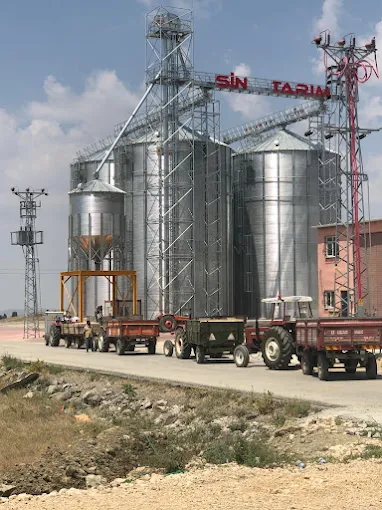
Licensed Grain Storage and Its Benefits
Licensed Grain Storage and Its Advantages In the agricultural sector, one of the most important factors besides production is preserving products under proper conditions. Especially for grain products, the storage process plays a critical role in terms of quality, price stability, and supply security. At this point, the licensed grain storage system has become one of the cornerstones of modern agricultural trade. Developed licensed warehousing infrastructure in Polatlı, one of Türkiye's major agricultural centers, provides a secure system for producers, industrial enterprises, and all stakeholders within the supply chain. Sin Tarım is one of the key companies contributing to this process through its storage investments in the Polatlı and Haymana regions. Licensed Storage Infrastructure in Polatlı Polatlı is one of Türkiye's strongest grain trading centers. The region's agricultural production volume has accelerated investments in licensed grain storage facilities. In particular, the licensed storage infrastructure developed within the Polatlı Commodity Exchange contributes to preserving products in compliance with quality standards. Licensed warehouses allow producers to safely store their products in modern silo systems while also benefiting financially through the warehouse receipt system. This structure is important not only for storage but also for recording trade transactions, preserving product quality, and increasing market reliability. During grain storage, it is essential to keep factors such as temperature, humidity, and ventilation under control. Quality losses that may occur in traditional storage methods are minimized in licensed storage systems. Quality and Safety Standards in Storage Grain products are among the agricultural commodities that are highly sensitive to environmental conditions. Improper storage conditions can lead to serious problems such as product loss, increased moisture, mold formation, and quality deterioration. In modern licensed grain storage systems, products are classified according to specific quality standards and undergo regular inspection processes. This creates a reliable trading environment for both producers and buyers. Thanks to advanced silo systems used in storage technology: Moisture is controlled Product exposure to air is minimized Pest formation is prevented Long-term storage is ensured Product standardization is maintained In addition, through the warehouse receipt system, producers can use their stored products as collateral, enabling easier access to financing. This provides a significant advantage for maintaining sustainable cash flow within the agricultural sector. Sin Tarım's Storage Solutions Sin Tarım is among the companies that support its expertise in grain trading with a strong storage infrastructure. Through its storage facilities established in the Polatlı and Haymana regions, the company contributes to the safe preservation of grain products. The company's storage approach goes beyond simply storing products. It also focuses on maintaining quality throughout every stage of the supply chain. Supported by modern storage technologies, this system preserves products under controlled conditions while making shipment processes more efficient. For businesses operating in the grain raw materials sector, a reliable storage infrastructure is essential for sustainable production and uninterrupted supply. Sin Tarım's investments in storage solutions contribute to the development of regional agricultural trade while reinforcing its quality-oriented service approach. Conclusion Increasing competitiveness in the agricultural sector depends not only on production capacity but also on preserving products under proper conditions. Licensed grain storage systems have become an indispensable part of modern agriculture by ensuring quality standards, secure trade, financial advantages, and a sustainable supply chain. The advanced licensed storage infrastructure in Polatlı and Sin Tarım's storage investments in the region are among the successful examples of secure grain storage. In particular, quality-oriented storage technologies contribute to building a stronger and more sustainable agricultural trading system. -
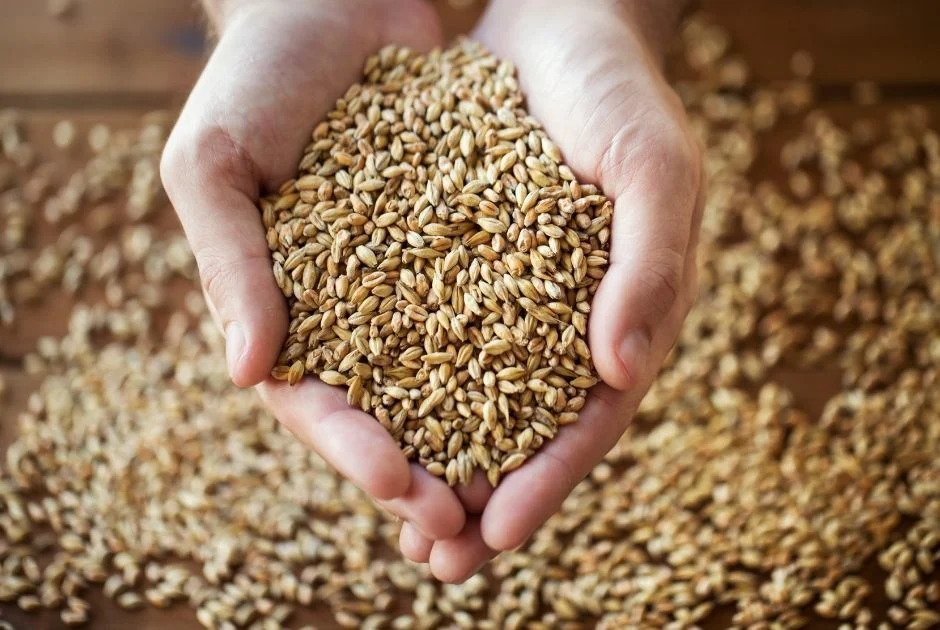
Choosing a Reliable Partner for Grain Procurement
The Importance of Choosing a Reliable Business Partner in Grain Supply In the agriculture and livestock sectors, working with the right supplier is just as important as product quality. Sustainable supply management of grain commodities such as wheat, barley, oats, and corn ensures uninterrupted production processes. Therefore, choosing a reliable company in the grain trade has become a strategic priority for businesses. Why Is Supply Continuity Important in the Grain Industry? For businesses operating in the feed, food, and agricultural sectors, maintaining a continuous product supply is critical. Especially for companies engaged in production planning, a steady flow of raw materials ensures smooth operations. Professional supply management provides the following advantages: Reduces the risk of supply disruptions Improves logistics efficiency Simplifies storage planning Ensures uninterrupted production processes Helps keep business costs under control For this reason, companies with strong supply infrastructure gain a significant competitive advantage in the industry. Logistics Management in the Grain Trade Logistics processes directly affect the preservation of product quality in grain products. Transportation and storage conditions are especially important for products such as feed wheat, barley, wheat bran, and oats. Modern logistics management: Ensures the safe transportation of products Optimizes storage processes Reduces delivery times Supports the sustainability of the supply chain In Türkiye, the ports of Samsun, Bandırma, Karasu, İzmir, and Mersin are among the major centers for grain imports and logistics operations. Operations carried out through these regions enable products to be delivered to different destinations more quickly. The Importance of the Ankara, Polatlı, and Haymana Region The Central Anatolia Region is one of Türkiye's strongest grain production areas. In particular, Ankara, Polatlı, and Haymana stand out with their high production capacity and well-developed trade network. The key advantages of these regions include: Strong agricultural infrastructure High grain production capacity Advanced storage and logistics investments Strategic location suitable for agricultural trade Proximity to the feed industry The Polatlı-Haymana corridor is considered an important supply center for both the domestic market and the feed industry. How to Choose a Reliable Grain Supplier? Selecting the right business partner in the grain trade is essential for long-term commercial success. Companies capable of managing import, storage, logistics, and distribution processes provide their customers with more sustainable solutions. The main factors to consider when choosing a supplier are: Storage Infrastructure Modern storage systems help preserve product quality. Companies with strong storage infrastructure can provide more secure product management. Logistics Capability Companies with professional logistics networks can carry out product deliveries more quickly and efficiently. Industry Experience Extensive experience in the grain sector enables operational processes to be managed more effectively. Product Range Companies offering a wide range of products, including wheat, barley, oats, corn, and feed ingredients, can provide more comprehensive solutions to their customers. Conclusion Strong supply management is essential for successful and sustainable operations in the grain trade. Companies that professionally manage storage, logistics, and distribution processes gain a significant advantage in the industry. Businesses operating in strategic regions such as Ankara, Polatlı, and Haymana, while investing in logistics and storage infrastructure, provide more reliable solutions for the agriculture, feed, and food industries. -
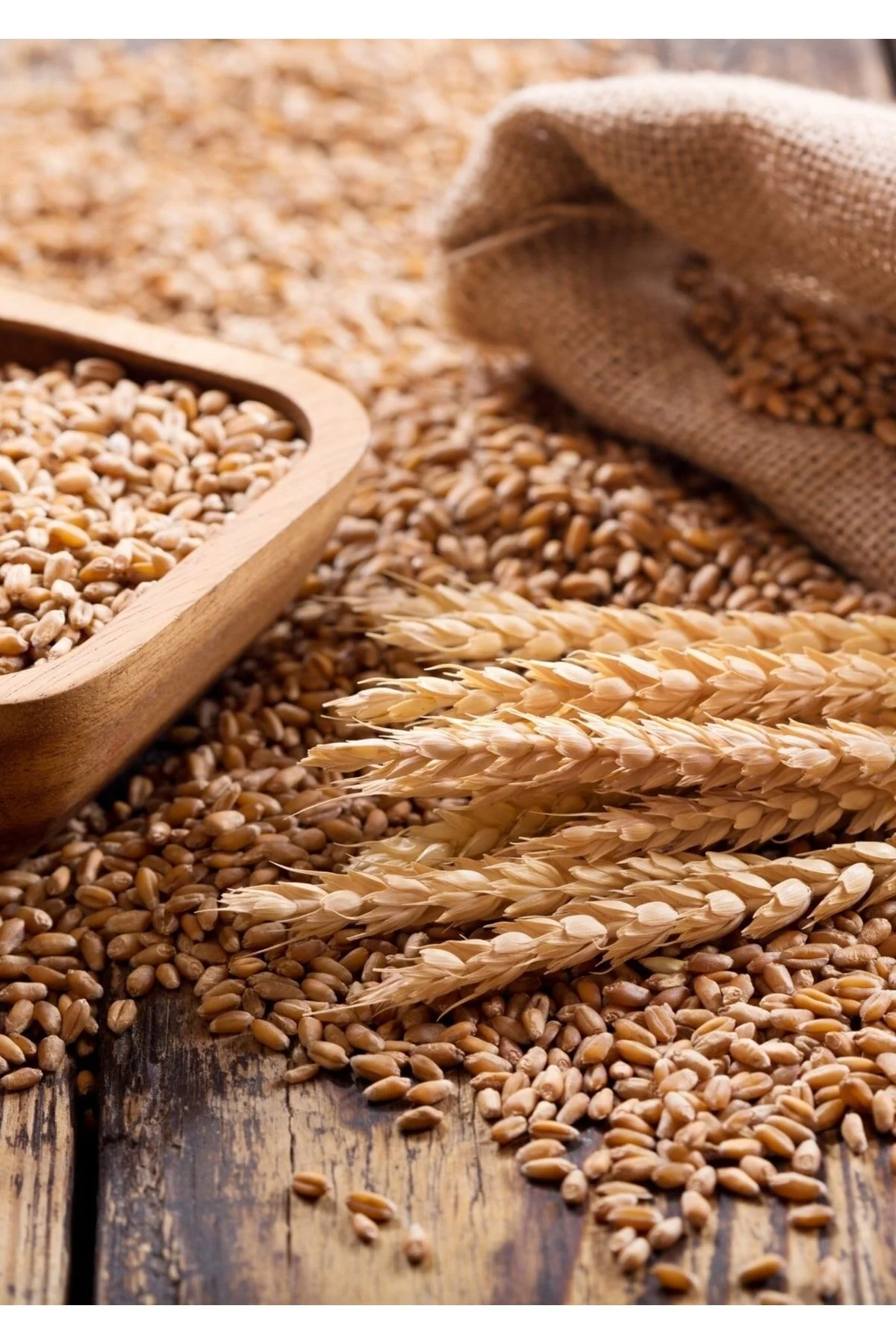
Selecting a Reliable Supplier for Feed Wheat
Choosing the Right Product and a Reliable Supplier for Feed Wheat Procurement Rising feed costs in the livestock industry are driving producers toward more efficient and sustainable feed ingredients. In this context, feed wheat stands out as an important product due to its high energy value and cost-effectiveness. Widely used in the nutrition of cattle, sheep, goats, and poultry, feed wheat provides both quality and cost advantages for livestock operations when sourced from reliable suppliers. Why Is Feed Wheat Preferred? Thanks to its high starch content, feed wheat helps meet the energy requirements of livestock. When incorporated into balanced feed rations, it can improve feed efficiency and support animal performance. Feed wheat holds an important place among economical feed ingredients, particularly in dairy and beef farming operations. Reasons why feed wheat is preferred: Provides high energy value Can be easily incorporated into feed rations Suitable for long-term storage Widely used in cattle, small ruminant, and poultry production Helps balance feed costs What Should Be Considered When Procuring Feed Wheat? When purchasing feed wheat, not only the price but also product quality and supply continuity are of great importance. Using inconsistent or low-quality products may directly affect animal performance. Product Quality The moisture content, grain quality, and storage conditions of feed wheat are among the key factors determining product quality. High-quality feed wheat contributes to the preparation of more consistent and stable feed rations. Reliable Supply Consistency in feed ingredient supply is critical for livestock businesses. Therefore, working with suppliers capable of providing a stable and continuous supply offers significant advantages. Logistics and Storage Proper transportation and storage of feed wheat are essential for preserving product quality. Suppliers with strong logistics infrastructure help ensure more efficient supply chain processes. Feed Wheat Trade in the Polatlı and Haymana Region The Polatlı and Haymana region, one of Türkiye's major grain production centers, holds strategic importance in the feed wheat trade. Thanks to the region's production capacity, the feed industry benefits from a consistent supply of feed wheat. Facilities such as Polatlı TMO and Haymana TMO play an important role in the safe storage and distribution of grain products. This system creates a more reliable trading environment for both producers and buyers. Feed Wheat and Productivity in Livestock Farming Selecting the right feed ingredients directly affects productivity in livestock operations. When included in properly balanced feed rations, feed wheat can: Support the energy requirements of livestock Contribute to fattening performance Improve feed conversion efficiency Help balance operational feed costs For this reason, sourcing high-quality feed wheat is considered an important investment for sustainable livestock production. Conclusion Feed wheat is one of the strategic feed ingredients in the livestock industry, valued for its high energy content and economic advantages. Choosing the right product and working with a reliable supplier helps businesses improve both quality and productivity. High-quality feed wheat sourced from strong agricultural regions such as Polatlı and Haymana provides sustainable and reliable solutions for the feed industry. -
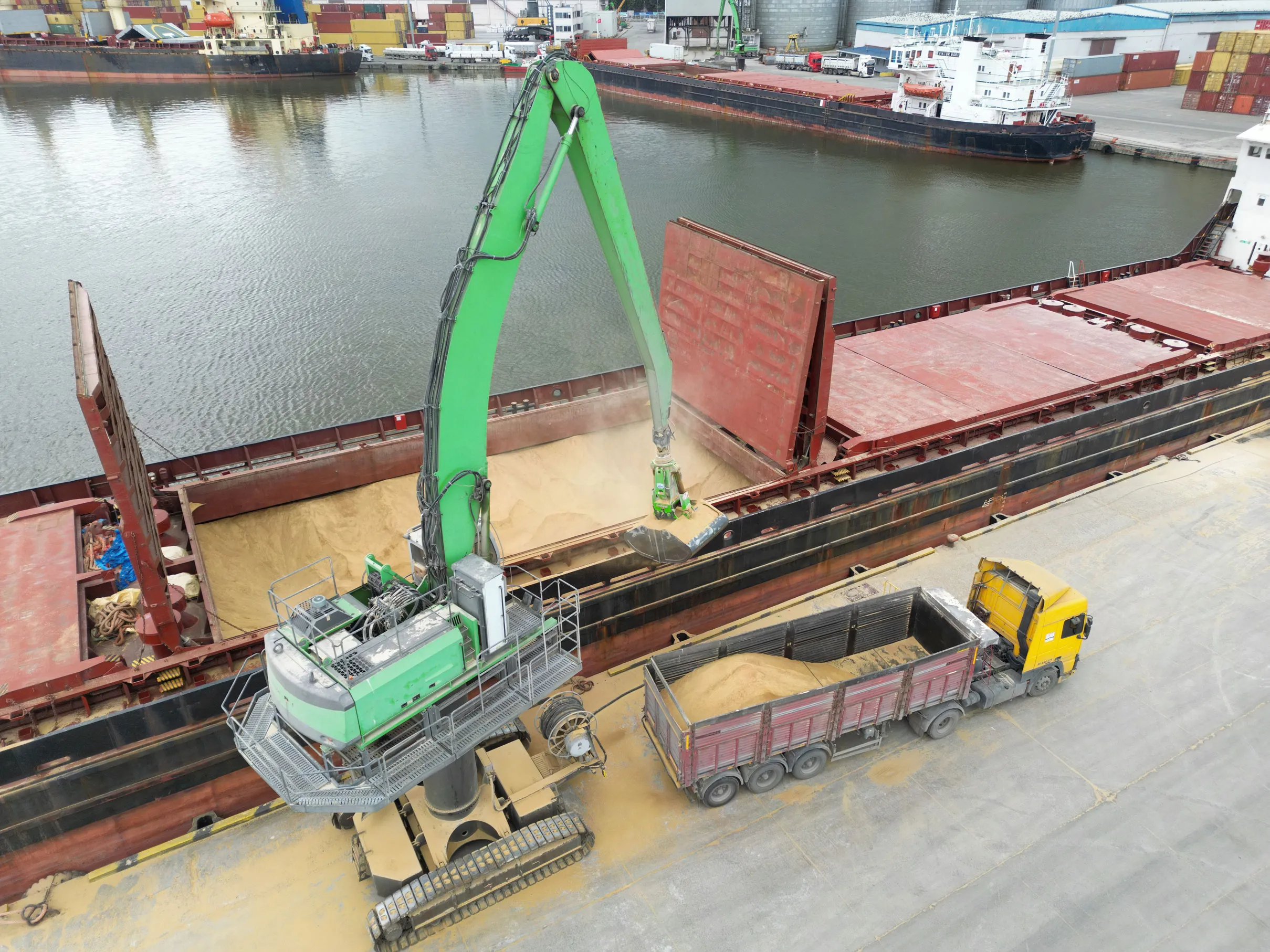
The Importance of the Grain Supply Chain and Agricultural Logistics
Важность цепочки поставок зерна и агрологистики В сельскохозяйственном и животноводческом секторах не только качество продукции, но и её доставка в нужное время и в надлежащих условиях имеет огромное значение. Особенно для зерновых культур управление цепочкой поставок является одним из основополагающих элементов устойчивой торговли как для производителей, так и для компаний-покупателей. В этом контексте логистика зерна, хранение, отгрузка и процессы поставки играют критическую роль в сохранении качества продукции и обеспечении бесперебойной торговли. Что такое цепочка поставок зерна? Цепочка поставок зерна охватывает весь процесс получения продукции от производителя, её хранения, транспортировки и доставки конечному потребителю. В ходе этого процесса поддержание стандартов качества таких продуктов, как пшеница, ячмень, овёс и кукуруза, имеет огромное значение. В современной сельскохозяйственной торговле недостаточно просто производить продукт. Необходимо также обеспечить его безопасную транспортировку с помощью правильного логистического планирования. Поэтому агрологистика стала неотъемлемой частью зерновой торговли в наши дни. Важность хранения в агрологистике Для сохранения зерновых продуктов без потери качества необходимы соответствующие условия хранения. Влажность, температура и экологические факторы могут напрямую влиять на качество продукции. Особенно современные системы хранения: Обеспечивают безопасное хранение продукции в течение длительного времени Снижают риск увлажнения и порчи Предотвращают коммерческие потери Поддерживают непрерывность поставок Поэтому компании с развитой инфраструктурой хранения могут предлагать более устойчивые решения в сельскохозяйственном и кормовом секторах. Процесс отгрузки в логистике зерна Логистические процессы для зерновых продуктов не ограничиваются только транспортной деятельностью. Продукты должны отгружаться с использованием правильного транспорта, в подходящие сроки и безопасно. Особенно для таких продуктов, как: Пшеница Кормовая пшеница Овёс Ячмень Пшеничные отруби логистическое планирование важно для сохранения качества продукции. Благодаря профессиональному управлению логистикой продукция безопасно доставляется от мест производства до складов, заводов и предприятий. Роль Анкары, Полатлы и Хайманы в агрологистике Центральная Анатолия входит в число важнейших центров производства зерна в Турции. Особенно регионы Анкара, Полатлы и Хаймана выделяются своим высоким производственным потенциалом и развитой сельскохозяйственной инфраструктурой. Ось Полатлы - Хаймана имеет стратегическое значение для: Производства зерна Хранения Кормового сектора Сельскохозяйственной торговли Логистических операций Благодаря товарным биржам, складским площадям и логистическим сетям в регионе, поток продукции осуществляется более планово и устойчиво. Эффективное управление поставками в сельскохозяйственном секторе Для устойчивого роста в сельскохозяйственном секторе необходимы не только производство, но и эффективное управление поставками. Особенно в торговле зерном компании, способные обеспечить регулярный поток продукции, получают значительные преимущества в секторе. Успешное управление поставками: Обеспечивает непрерывность поставок продукции Оптимизирует логистические затраты Повышает удовлетворённость клиентов Способствует сохранению качества продукции Поддерживает устойчивость сельскохозяйственного и животноводческого секторов Поэтому современные системы хранения, логистики и управления цепочкой поставок входят в число важнейших составляющих сельскохозяйственного сектора в наши дни. -
What Is Feed Wheat? Its Characteristics and Importance in Livestock Farming
What is Feed Wheat? Its Characteristics and Importance in Livestock In the livestock sector, feed costs and productivity are among the most important issues for producers. In this context, feed wheat stands out as an important feed raw material due to its high energy value and economic structure. Used particularly in cattle, sheep, goat, and poultry nutrition, feed wheat helps meet the energy requirements of rations. What is Feed Wheat? Feed wheat refers to wheat varieties that are not suitable for human consumption or are utilized for animal feed purposes. Thanks to its high starch content, feed wheat plays a significant role in meeting the daily energy needs of animals. It is especially widely preferred in beef and dairy farming operations. Feed wheat contributes to the preparation of balanced rations when used together with other feed raw materials by feed mills. Additionally, its structure suitable for storage and transportation makes it a commercially important product. Characteristics of Feed Wheat Feed wheat provides advantages in animal nutrition due to its nutritional value. Its energy-dense structure, in particular, makes feed wheat an essential feed raw material. High Energy Value Feed wheat supports the energy needs of animals thanks to its high starch content. This characteristic contributes to performance improvement, especially in cattle and small ruminants during the fattening period. Economical Feed Raw Material Feed wheat can be a more economical alternative compared to some other feed raw materials. Therefore, it is frequently preferred by operations looking to balance feed costs. Ease of Use and Storage Feed wheat can be easily mixed into rations. It can also be stored for long periods under appropriate storage conditions. This provides logistical and stock advantages to producers. Areas of Use for Feed Wheat Feed wheat is widely used across different animal groups. Cattle Nutrition In cattle, feed wheat is used to provide energy support. Feed wheat, which supports fattening performance, can also have a positive effect on milk yield. Sheep and Goat Nutrition In sheep and goat farming, feed wheat is one of the important feed sources meeting energy needs. It is especially preferred during winter months to supplement rations. Use in Poultry Feed In poultry feed, feed wheat is utilized as an energy source. It can provide positive contributions to feed consumption and performance in chickens and other poultry species. Feed Wheat and the Livestock Sector Due to rising feed costs, economical and sustainable feed sources are gaining more importance in the livestock sector. Feed wheat constitutes a significant alternative for producers thanks to its affordable cost and high energy value. When used with proper ration planning, feed wheat: Supports animal performance Increases feed efficiency Contributes to fattening and milk yield Helps balance feed costs For these reasons, feed wheat is among the feed raw materials with strategic importance in modern livestock operations. -
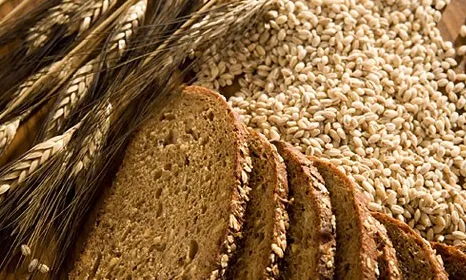 Polatlı and Haymana, which are among the important agricultural centers of Ankara, have great potential in terms of grain production and the feed sector. In particular, Polatlı TMO, Haymana TMO, feed wheat, wheat feed, and imported wheat bran play a critical role in the sustainability of agricultural and livestock activities in the region. Polatlı TMO and the Regional Grain Market Polatlı TMO, one of the most important grain centers in Turkey, allows producers to market their products safely. Through this center, farmers can sell wheat and other agricultural products in accordance with market conditions. Polatlı also has a strong feed market. The Polatlı feed sector enables livestock enterprises in the region to access high-quality and economical feed raw materials. Haymana TMO and Agricultural Production Haymana, one of the important agricultural regions of Ankara, stands out especially with its wheat production. Haymana TMO helps producers store their products safely and bring them to the market. Thanks to this system, a more balanced trade environment is formed for both producers and buyers. Feed Wheat and Wheat Feed Usage One of the most important energy sources in the livestock sector is feed wheat. This product, frequently used in feed rations, helps meet the energy needs of animals. Wheat feed is one of the important feed raw materials preferred especially in cattle and small ruminant farming. When used properly, it both supports animal health and increases production efficiency. Imported Wheat Bran and Its Importance in the Feed Sector In recent years, imported wheat bran has gained an important place in the feed sector. This product, which is rich in fiber, is preferred especially in dairy farming due to its digestive support properties. Imported wheat bran also: Helps balance feed costs Meets fiber requirements in rations Supports the digestive system of animals
 -
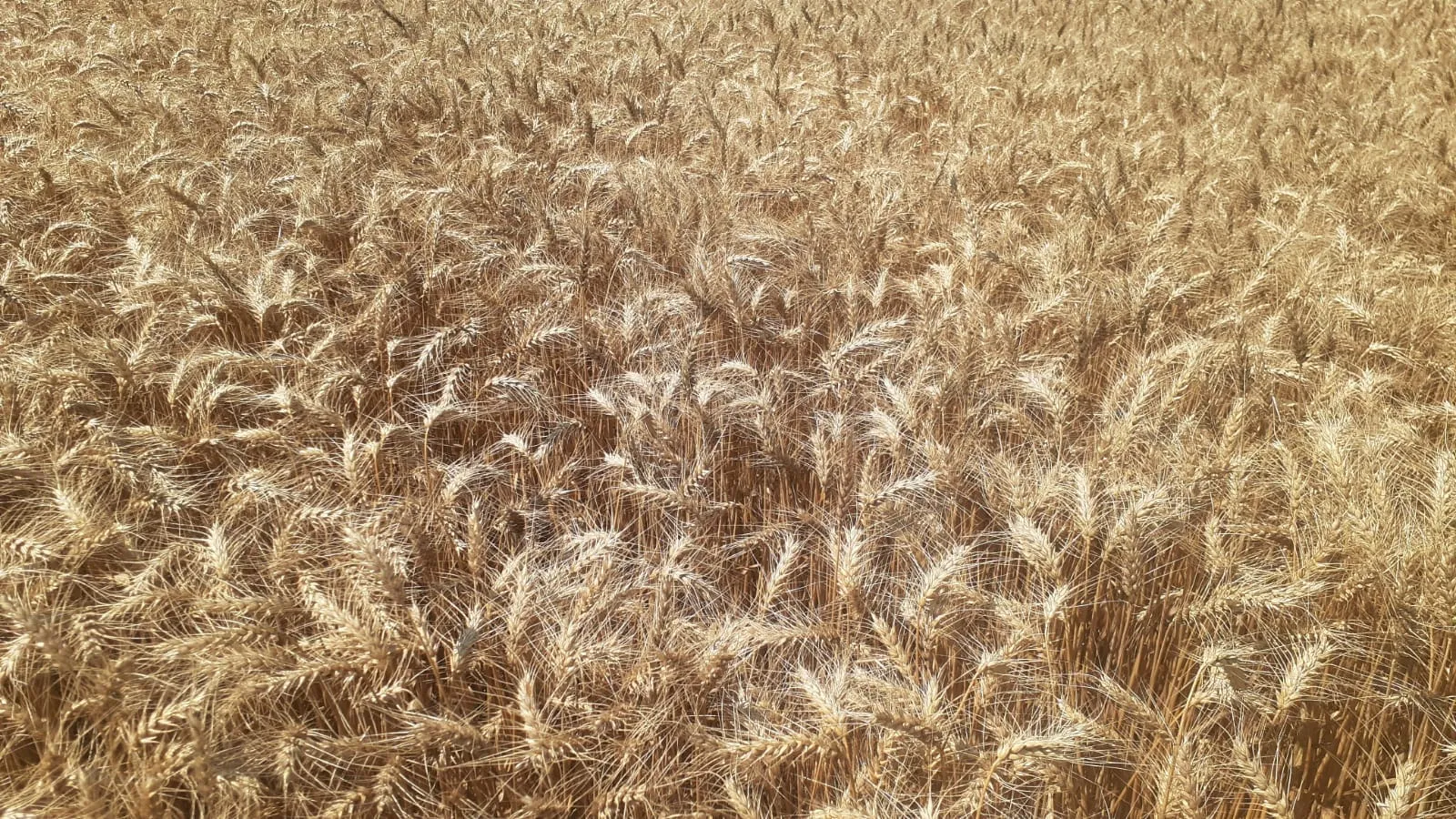
Exchange, Factories, and Storage in Haymana Agriculture and Trade
Haymana is one of the most strategic regions of Ankara in terms of agriculture and livestock. The Haymana Commodity Exchange and Haymana exchange in the region ensure that product prices are determined transparently and securely for producers and traders. In addition, Haymana transportation, Haymana warehouse, and Haymana storage services enable products to reach the market safely and on time. Haymana Commodity Exchange and Market Operations The Haymana Commodity Exchange plays a critical role especially in the buying and selling of cereals, legumes, and feed products. Thanks to the Haymana exchange, producers can sell their products at prices suitable for market conditions and minimize commercial risks. Haymana Transportation and Logistics Services The proper transportation of agricultural products is very important for efficiency. Haymana transportation services ensure that products reach warehouses and factories safely from the fields. Modern vehicles and logistics solutions are used during this process. Haymana Flour and Feed Factories The Haymana flour factory in the region processes local wheat production and provides high-quality flour for both the domestic market and export. Likewise, the Haymana feed factory produces feed suitable for the livestock sector, supporting farmers and businesses in the region. Haymana Storage and Cömert Warehouse Services Haymana warehouse and Haymana storage services ensure that products are stored safely. In particular, Haymana Cömert is known for its modern storage solutions in the region. These warehouses help protect cereals and feed products against risks such as humidity, temperature changes, and pests. Haymana has a strong infrastructure in terms of agriculture, trade, and logistics. Elements such as the Haymana Commodity Exchange, Haymana transportation, Haymana flour factory, Haymana feed factory, and Haymana storage create a sustainable ecosystem in the region from production to market. Thanks to this infrastructure, producers and businesses can both obtain high-quality products and increase their economic value. -
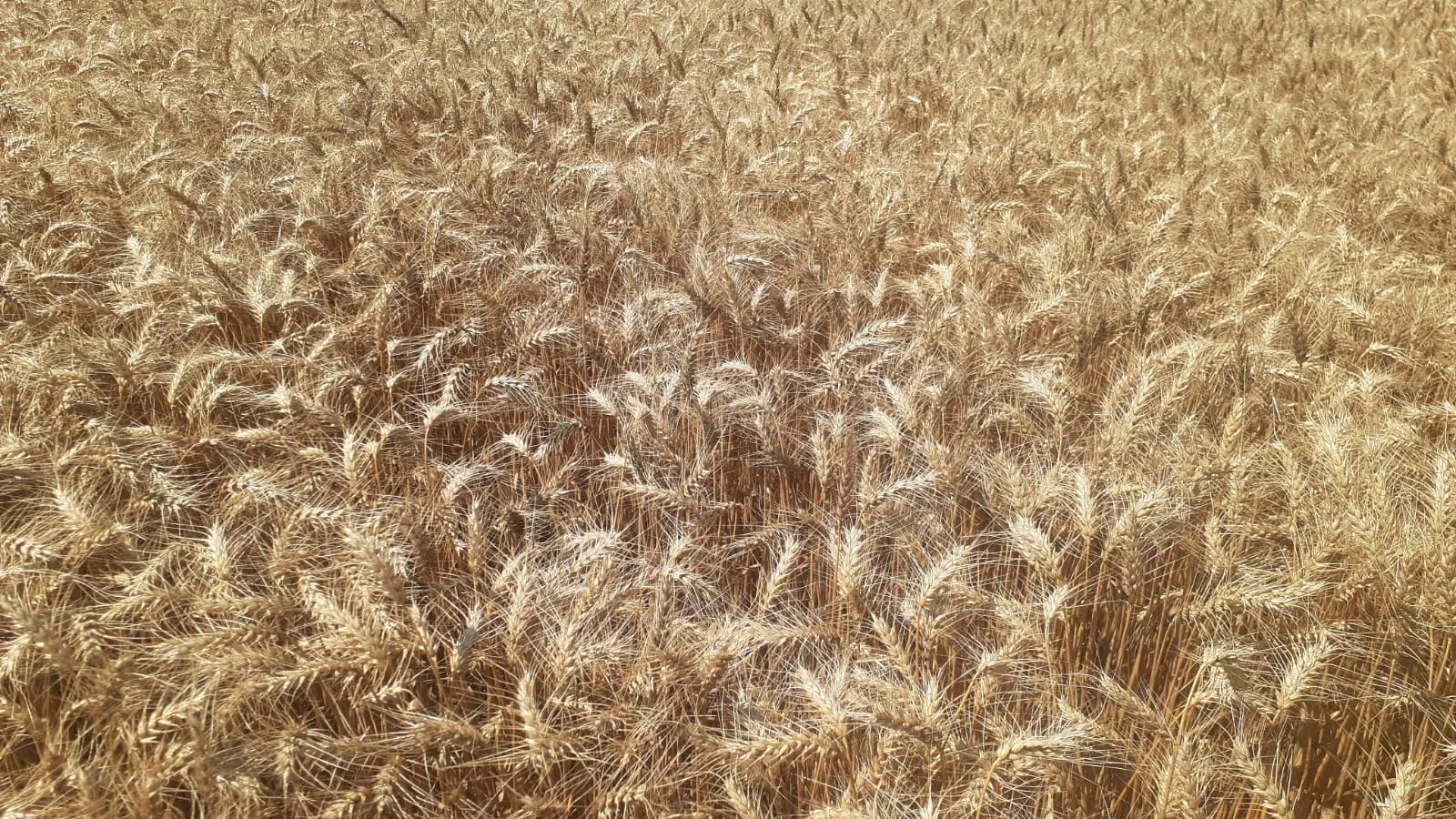
From Seed to Exchange in Polatlı Agriculture: The Pulse of the Sector
Polatlı, one of Turkey’s major agricultural centers, is a critical region for producers thanks to its vast farmlands and strong agricultural infrastructure. Sector components such as Polatlı seeds, Polatlı fertilizers, Polatlı feed, and Polatlı flour mills play a major role in both production and trade. In addition, the Polatlı Commodity Exchange and Polatlı exchange provide a secure and transparent environment for evaluating the value of agricultural products. Polatlı Seeds and Fertilizers: The Foundation of Productive Agriculture Quality seeds are the first step toward a high-yield harvest. Polatlı seed suppliers increase farmers’ productivity by offering varieties suitable for the region’s climate and soil structure. In addition, Polatlı fertilizers improve crop quality by increasing the nutrient value of agricultural lands. Organic and chemical fertilizer options are offered in a variety of forms according to the needs of producers. Polatlı Feed and Flour Mills: Livestock and Food Industry The Polatlı feed factories in the region produce high-quality feed for the livestock sector. Suitable rations for cattle and sheep are prepared in modern facilities by Polatlı feed factories. On the other hand, Polatlı flour mills process wheat production to produce high-quality flour for both the domestic market and export. These factories directly contribute to Polatlı’s agricultural economy. Polatlı Commodity Exchange and Market: Transparent Pricing in Agriculture The Polatlı exchange and Polatlı Commodity Exchange allow producers to sell their products in a safe environment. The value of cereals, legumes, and other agricultural products is determined fairly and transparently according to market conditions through the exchange system. Thanks to this system, producers can sell their products at the right price and are protected from market fluctuations. Strategic Importance of Polatlı Agriculture Polatlı seeds, Polatlı fertilizers, Polatlı feed, Polatlı flour mills, and the Polatlı Commodity Exchange form the backbone of the region’s agriculture and livestock sectors. Covering a wide ecosystem from agricultural production to trade, these structures make Polatlı one of Turkey’s leading agricultural centers. Thanks to modern farming techniques and strong infrastructure, producers obtain high-quality products while also achieving sustainable economic growth. -
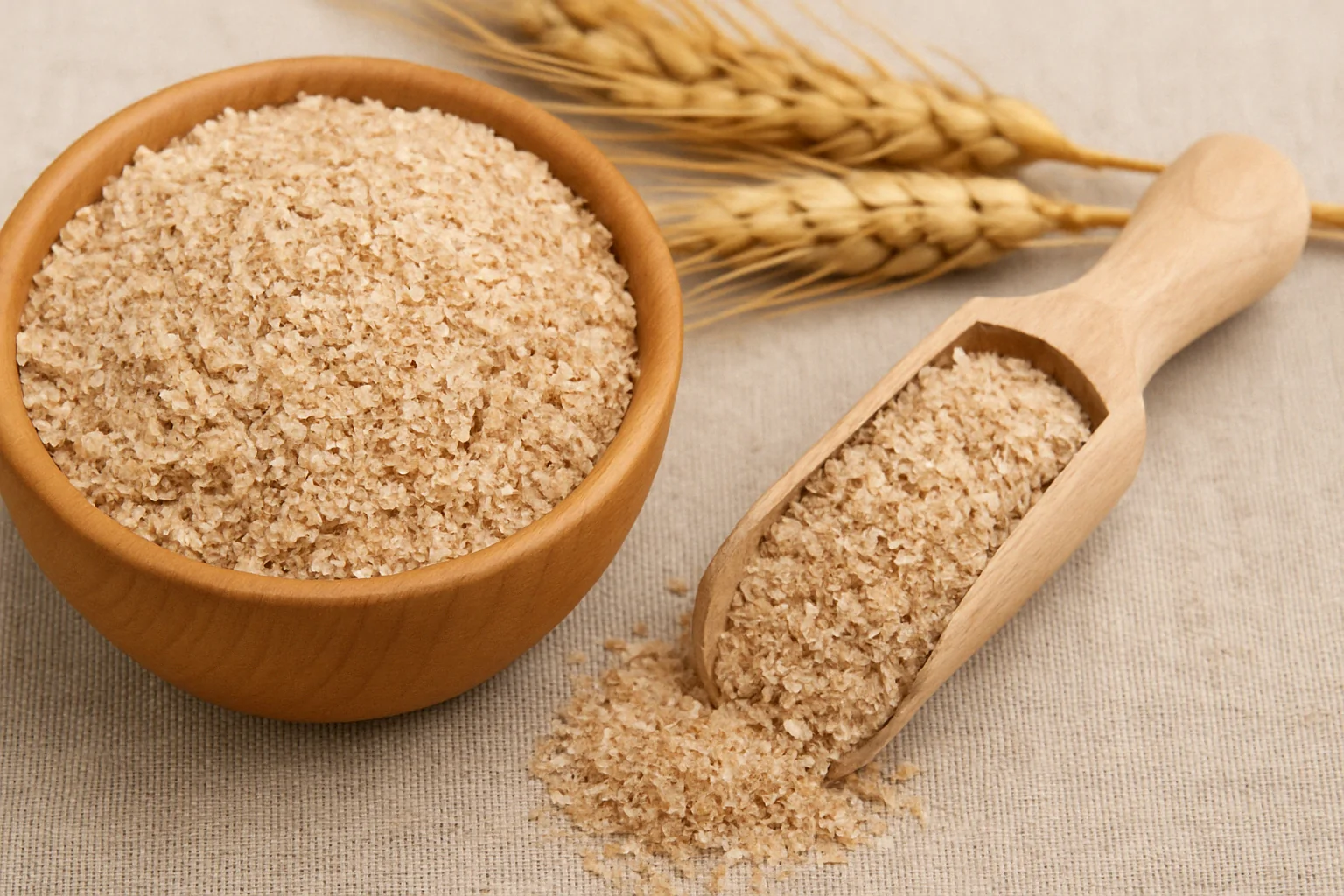 Ankara and its surrounding areas are among Türkiye’s most important centers for agriculture and livestock farming. In particular, key products and institutions such as Polatlı TMO, Haymana TMO, Polatlı feed, and Ankara wheat bran are of great importance for producers and businesses in the region. Polatlı TMO and Its Role in the Region Polatlı TMO is one of the most active branches of the Turkish Grain Board (Toprak Mahsulleri Ofisi) in Central Anatolia. This center plays a critical role in the purchase, storage, and orderly supply of cereals—especially wheat—to the market. Thanks to Polatlı TMO, producers have the opportunity to market their products under secure conditions. The Polatlı Feed Sector The Polatlı feed market is highly dynamic in a region where livestock farming is intensive. Wheat, wheat bran, and feed grains are widely used in the nutrition of cattle and small ruminants. Feed suppliers in Polatlı offer solutions based on both local production and imported raw materials. Haymana TMO and Haymana Agricultural Products Haymana TMO is an important purchasing and balancing point for farmers in the region. Thanks to its fertile soils, the Haymana plain stands out with the production of high-quality cereals and legumes. Haymana wheat, with its high protein content and strong kernel structure, is suitable for both feed and industrial use. At the same time, Haymana chickpeas are in high demand in the domestic market due to their taste and cooking quality. Ankara Wheat Bran and Feed Raw Materials Ankara wheat bran is a fiber-rich feed raw material frequently preferred in the feed industry. Especially in dairy farming, it is an indispensable component of rations due to its digestive-supporting effect. Across Ankara, wheat bran can be supplied both from TMO sources and private facilities. Strategically Important Products in Regional Agriculture and Livestock Farming The Polatlı–Haymana corridor forms the agricultural backbone of Ankara in terms of the production of: Wheat Chickpeas Wheat bran Feed grains Elements such as Polatlı TMO, Haymana TMO, Polatlı feed, and Ankara wheat bran ensure the sustainable functioning of this ecosystem. Conclusion In Ankara’s agricultural market, Polatlı TMO, Haymana TMO, Haymana wheat, Haymana chickpeas, Polatlı feed, and Ankara wheat bran are reliable and strategically valuable topics for producers, traders, and livestock enterprises. With the right supply channels, these products increase both quality and productivity.
 -
In the livestock sector, the use of high-quality feed plays a critical role in animal health and productivity. At this point, imported wheat bran, feed wheat, and wheat feed stand out as essential feed raw materials thanks to their economic and nutritional properties. What Is Imported Wheat Bran? Imported wheat bran is a fiber-rich by-product obtained during the milling of wheat. Especially preferred by large-scale livestock operations, imported wheat bran supports digestion and makes a significant contribution to the nutrition of ruminant animals. Advantages of imported wheat bran: Supports the digestive system thanks to its high fiber content An affordable feed raw material Positively affects milk yield and overall animal health What Is Feed Wheat? Feed wheat is a type of wheat that is not suitable for human consumption but is safely used in animal nutrition. With its high energy value, feed wheat is frequently used in cattle and poultry feeds. Feed wheat helps meet the daily energy requirements of animals while forming an important part of a balanced ration. Wheat Feed Areas of Use Wheat feed is a type of feed suitable for animal nutrition, obtained by processing feed wheat and wheat bran in specific proportions. Due to its high nutritional value, it is widely preferred in dairy farming, fattening operations, and the poultry sector. Benefits of using wheat feed: Provides energy and fiber balance Supports weight gain in animals Increases feed efficiency The Importance of Wheat-Based Feeds in Livestock Farming Today, rising feed costs are directing producers toward more efficient and economical feed sources. Imported wheat bran, feed wheat, and wheat feed are among the reliable feed alternatives that meet this need. When used with proper ration planning, these products: Increase animal performance Reduce costs Support sustainable livestock farming Conclusion For operations aiming for quality and efficiency in animal nutrition, imported wheat bran, feed wheat, and wheat feed are indispensable feed raw materials. With the right supplier selection and appropriate usage rates, these products contribute to achieving high productivity in livestock activities.
-
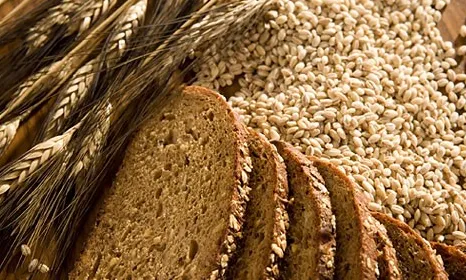
Ankara Bran Wheat and the Feed Sector
Why Is Ankara Bran Wheat Preferred in Feed? Ankara bran wheat helps reduce feed costs in rations while maintaining nutritional value. The use of Ankara bran wheat stands out especially for its supportive effect on milk yield. Ankara bran wheat is safely preferred by feed factories and livestock enterprises. Ankara bran wheat is among the indispensable products of the feed sector thanks to its high fiber content, affordable cost, and continuous supply availability. The quality and commercial advantages offered by Ankara bran wheat create significant value for both producers and trading companies. -
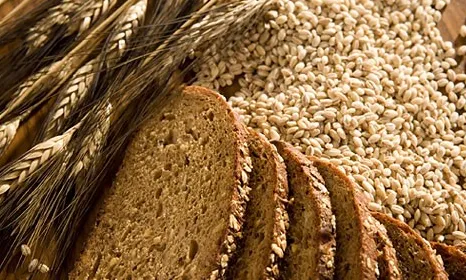
Ankara Bran Wheat
What Is Ankara Bran Wheat? Ankara bran wheat is a nutritious by-product with a high fiber content, obtained during the milling of wheat. Ankara bran wheat is widely used in the feed sector, especially in rations for cattle and small ruminants. Ankara’s climate and production capacity ensure that bran wheat is supplied to the market regularly and with consistent quality. Characteristics of Ankara Bran Wheat Ankara bran wheat supports the digestive system thanks to its high fiber content. With its balanced energy and mineral composition, Ankara bran wheat is considered a complementary feed raw material in animal nutrition. In addition, its low cost makes Ankara bran wheat an economical option for producers. -
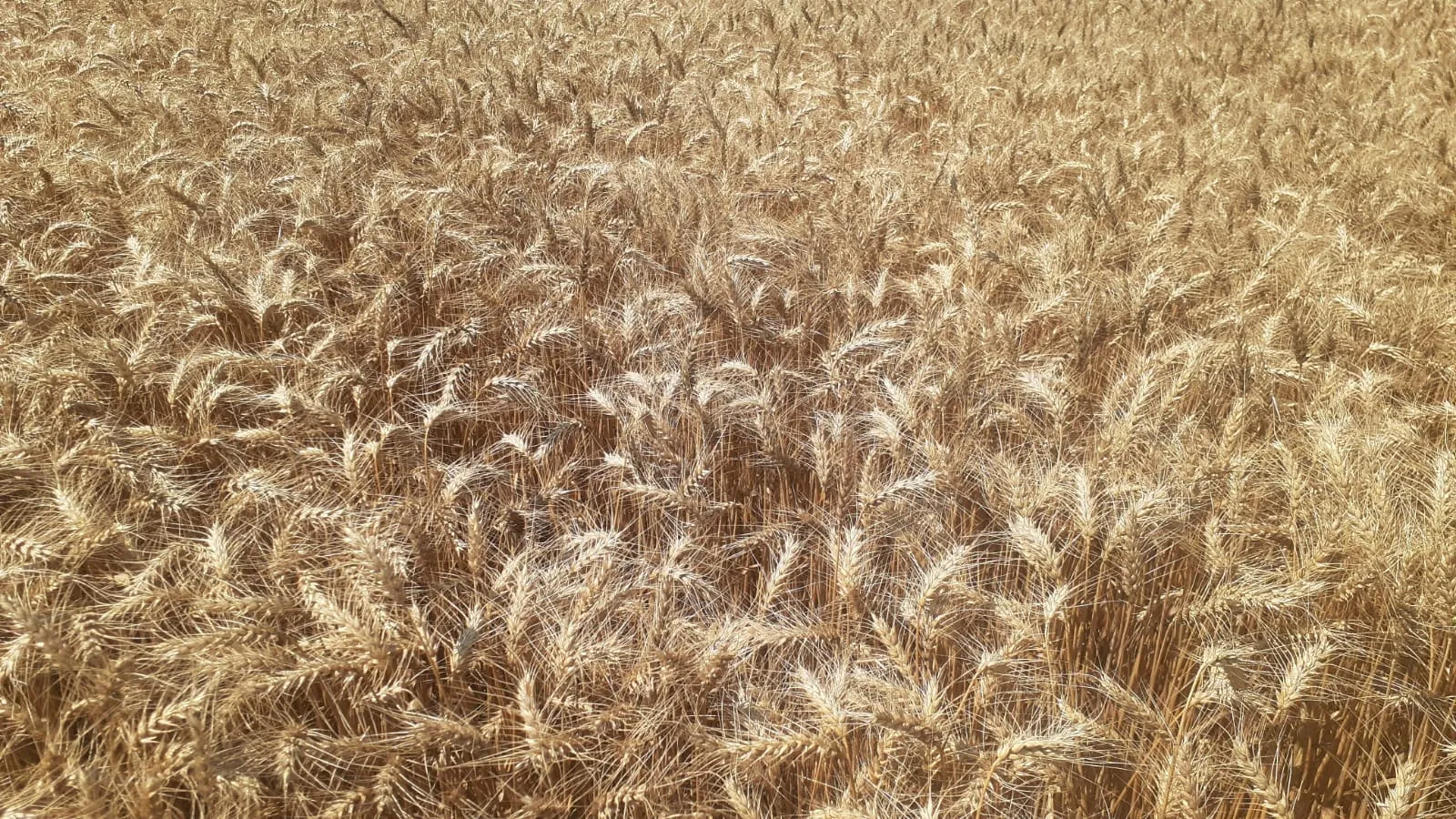
Polatlı Esperia and the Feed Sector
Why Is Polatlı Esperia Preferred in Feed? Polatlı Esperia stands out in the feed sector with its high energy value and digestible structure. Feeds prepared using Polatlı Esperia contribute to improved animal performance. Especially in cattle and small ruminant rations, Polatlı Esperia is considered an economical and nutritious alternative. Polatlı Esperia is a valuable wheat variety for both producers and trading companies due to its high yield, durable structure, and commercial advantages. The quality and consistency offered by Polatlı Esperia make it one of the prominent products in the Turkish wheat market. -
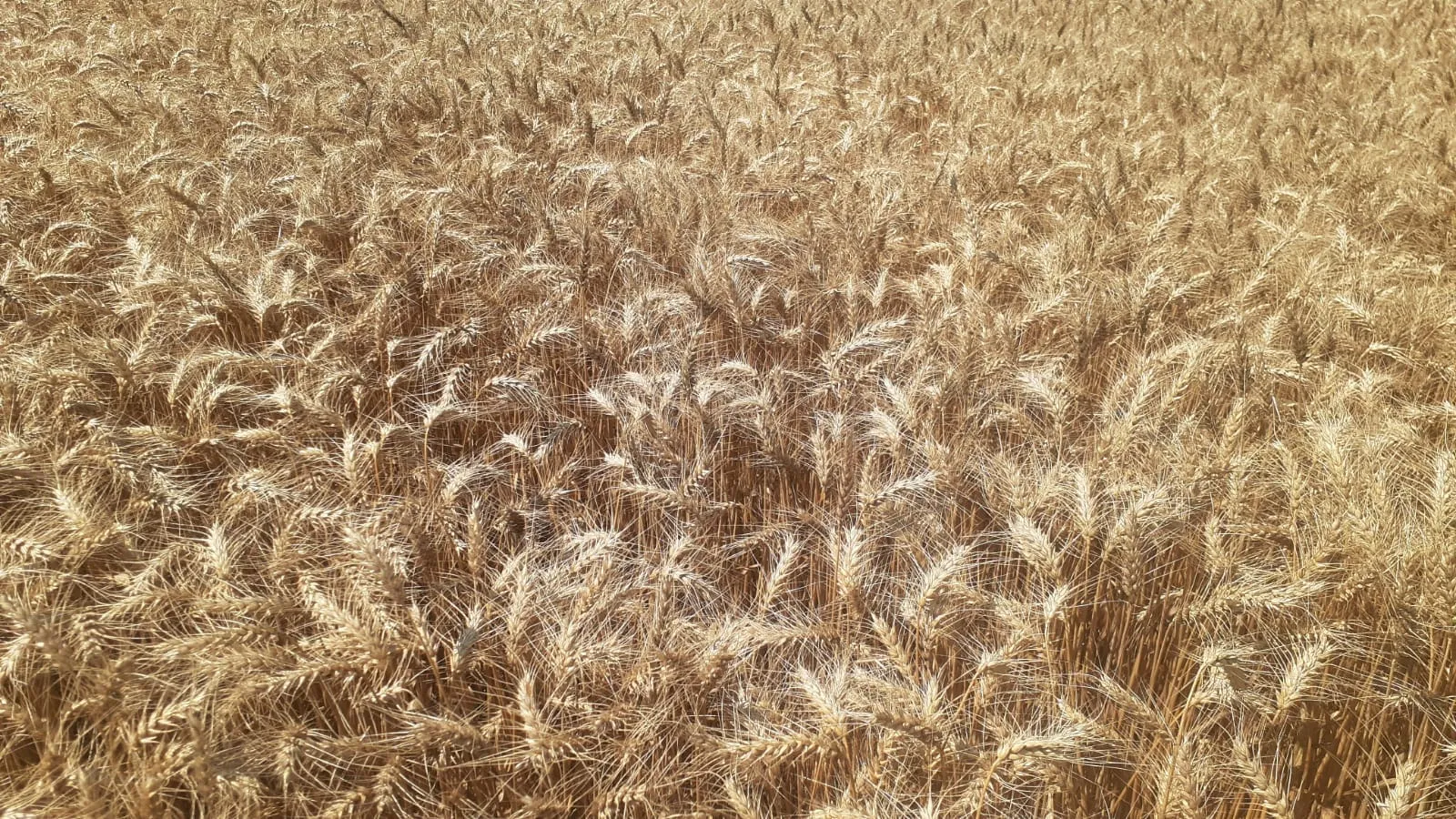
Polatlı Esperia
What Is Polatlı Esperia? Polatlı Esperia is a wheat variety widely cultivated in the Polatlı region of Ankara, known for its high yield and durability. Thanks to its strong root structure, Polatlı Esperia shows resistance to drought and provides stable yields under different climatic conditions. This feature makes Polatlı Esperia a reliable option for producers. Characteristics of Polatlı Esperia Wheat Polatlı Esperia stands out with its uniform and homogeneous grain structure. Due to its high hectoliter weight and balanced protein content, Polatlı Esperia wheat is preferred by the feed industry and the flour industry. In addition, its structure suitable for storage and transportation provides advantages in commercial trading processes. -

What Is Polatlı Esperia? Characteristics and Importance of Polatlı Esperia Wheat
Polatlı, considered the heart of wheat production in Turkey, holds an important position in the agricultural sector with its high-yield and high-quality varieties. Among these varieties, Polatlı Esperia stands out as a special type of wheat that attracts great interest from both producers and trading companies. Thanks to its climatic adaptability and high quality standards, Polatlı Esperia is reliably preferred in the feed and industrial sectors. -
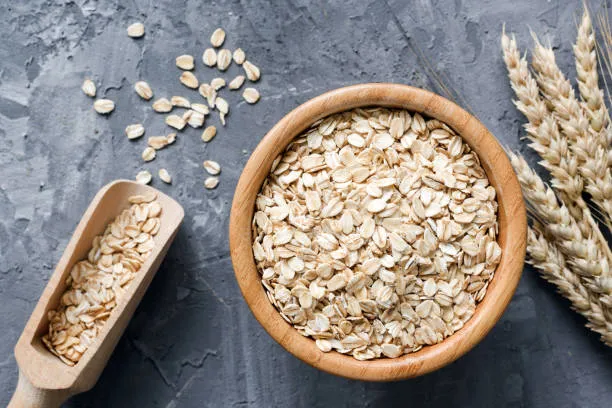
Turkey Oat Market
The Turkey oat market shows diversity due to regional production strength and climate-based quality differences. Sivas oats stand out with their protein ratio and grain quality thanks to high altitude and a cool climate, making them an ideal feed raw material for livestock regions. Kars oats are known for their durable and nutrient-dense structure due to the clean air and natural growing conditions of Eastern Anatolia. Ankara oats offer stable production opportunities across the wide agricultural lands of Central Anatolia, making them a reliable option for both feed use and commercial trading. Albatros oats are especially preferred in the feed sector as a large-grained, high-yield, and resilient variety, while Konya oats, grown in the region’s fertile plains, hold a significant share in domestic supply. Each of these regions contributes to building a strong foundation for the oat buying and selling process in terms of both quality and continuity. -
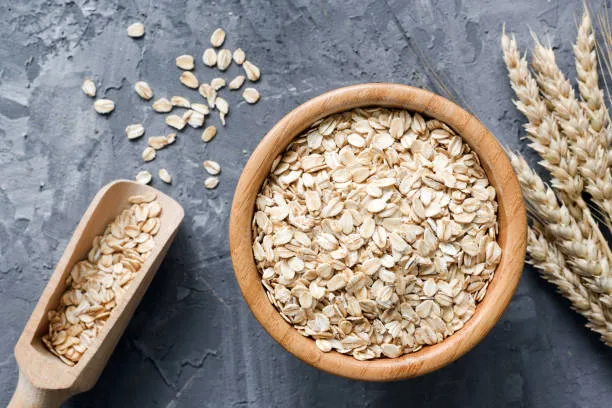
Oat Prices
What Are Oat Prices? Oat prices vary depending on oat production, demand, and market conditions. Oat prices are an important factor in the economic planning of producers and sellers. Factors Affecting Oat Prices Oat prices are determined by factors such as production volume, quality, storage conditions, and market demand. Companies engaged in oat buying and selling continuously monitor prices to help balance the market. -
Albatros Oat
What Is Albatros Oat? Albatros oat is a special oat variety with selected quality standards that is in high demand in Türkiye, especially by the feed sector. With its large grains, cleanliness, and high nutritional value, Albatros oat is preferred by both producers and trading companies. Since Albatros oat is packaged after modern screening and cleaning processes, it offers uniform quality and provides reliability in ration preparation. Advantages of Albatros Oat Thanks to its high protein and energy content, Albatros oat improves performance in cattle, small ruminants, and horse breeding. Its structure that remains fresh for a long time and its ease of storage also provide logistical advantages. In addition, its clean grains and low foreign matter content make it a practical and reliable option for feed producers. -

Oat Buying and Selling
What Is Oat Buying and Selling? Oat buying and selling refers to the grain trade carried out between producers and industrial and commercial companies. Oat trading constitutes an important part of Türkiye’s grain market. Advantages of Oat Buying and Selling Oat buying and selling enables producers to bring their products to market quickly and securely. At the same time, oat trading transactions contribute to balancing market prices. Companies Buying and Selling Oats What Do Companies Buying and Selling Oats Do? Companies buying and selling oats are commercial entities that purchase oats from producers and market them or supply them to industry. These companies ensure a balance between product quality and price. -
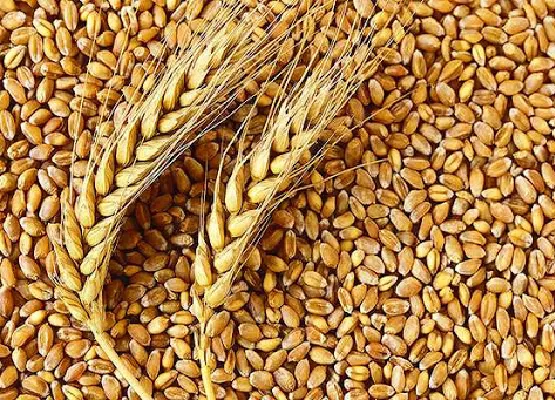
Polatlı Wheat
What Is Polatlı Wheat? Polatlı wheat is a high-quality grain cultivated in the Polatlı region of Ankara. Thanks to its strong protein content and durability, Polatlı wheat is safely used in both feed production and the food industry. Benefits of Polatlı Wheat Polatlı wheat maintains its quality throughout the year thanks to its stable production capacity and modern storage methods. It is reliably preferred by feed factories and provides a sustainable supply. Selection of Imported Wheat Bran, Feed Wheat, Wheat Feed, and Polatlı Wheat Imported wheat bran, feed wheat, wheat feed, and Polatlı wheat are critical raw materials for increasing efficiency in livestock farming. Imported wheat bran is economical and rich in fiber, while feed wheat provides an energy supplement. Wheat feed offers versatile usage areas, whereas Polatlı wheat stands out in terms of quality and sustainable supply. -
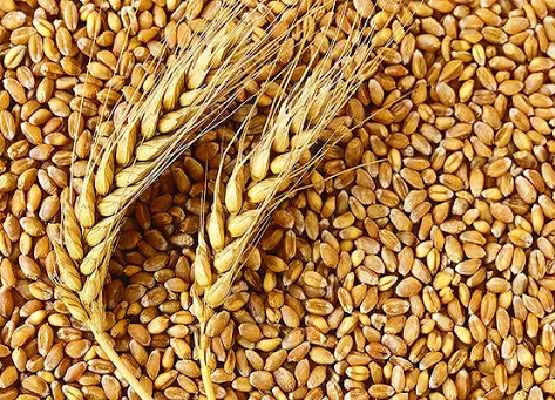
Wheat Feed
What Is Wheat Feed? Wheat feed holds an important place in livestock farming due to its high energy value and versatile usage. Wheat feed is primarily used as an energy source for poultry, while it also has a conditioning and performance-enhancing effect on cattle and small ruminants. Advantages of Using Wheat Feed Wheat feed provides producers with a sustainable feed supply thanks to its practical use and economical pricing. By delivering rapid energy support to animals, wheat feed increases growth rates and overall productivity. -
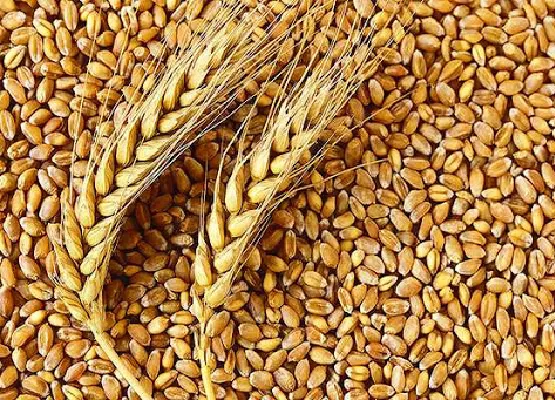
Feed Wheat
What Is Feed Wheat? Feed wheat is a feed raw material that increases productivity in livestock farming thanks to its high starch and energy content. Feed wheat improves performance in small and large ruminants and, when added to rations, positively affects meat and milk yield. Areas of Use for Feed Wheat Feed wheat is an excellent source for animals with high energy requirements. It can be easily mixed into rations and, with its long storage life, offers producers a practical and economical solution.