
7 Key Factors Affecting the Grain Trade in Turkey
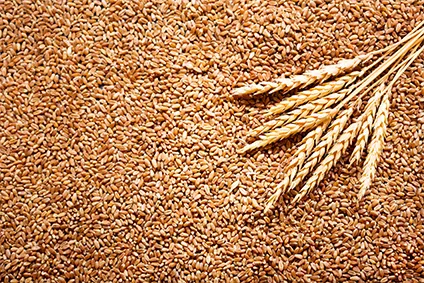
Thanks to its agricultural production potential and strategic geographical location, Türkiye holds an important place in grain trade. Basic cereal products such as wheat, barley, corn, oats, and rye are of great importance for both domestic consumption and the feed and food industries. However, grain trade does not depend solely on production quantity. Many factors—from climatic conditions to exchange rates, from logistics costs to the balance of supply and demand—directly affect commercial activity in the market.
For producers, traders, feed factories, and agricultural product suppliers, correctly evaluating these factors helps in making healthier commercial decisions. What are the main factors affecting grain trade in Türkiye?
1. Climatic Conditions and Agricultural Production Quantity
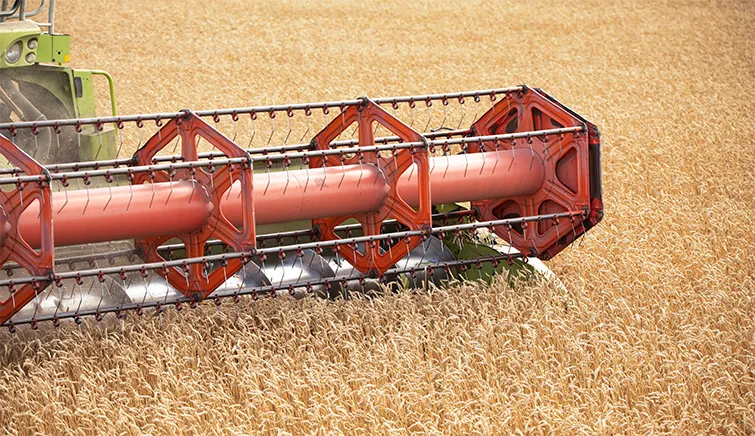
Climatic conditions are among the most important factors affecting grain trade. This is because the production quantity of wheat, barley, corn, and other cereal products largely depends on precipitation, temperature, and seasonal weather events.
Particularly in regions where grain production is intensive, such as Türkiye's Central Anatolia Region, the amount of precipitation plays a determining role in product yield. The presence of sufficient soil moisture during the sowing period, the temperature balance during the plant's development process, and the weather conditions during the harvest period can directly affect product quality.
Drought, excessive rainfall, hail, and unexpected frost events can cause a decrease in production quantity. A reduction in production, in turn, can affect the product supply in the market and lead to changes in grain prices.
2. Supply and Demand Balance
The balance of supply and demand holds an important place in shaping prices in the grain market. The relationship between the quantity of product offered to the market and the quantity needed by consumers and industrial organizations determines commercial activity.
For example, wheat is one of the basic raw materials of the flour and pasta industry. Barley, on the other hand, is widely used in the animal feeding sector. Corn is also utilized in various production areas, particularly in the feed industry. An increase in the raw material needs of feed factories can raise demand for products such as barley and corn in particular. Similarly, an increase in production in the food industry can affect wheat demand.
In periods when production quantity cannot meet demand, upward pressure on prices may occur. In periods when product supply is high, different movements in prices may be observed depending on market conditions.
3. Exchange Rates and International Market Movements
Grain trade in Türkiye is also affected by developments in international agricultural markets. Particularly, import and export activities can be directly affected by changes in exchange rates.
Fluctuations in exchange rates can change the costs of imported agricultural products, feed raw materials, fertilizers, and production inputs. This situation can, over time, be reflected in domestic market product prices.
It is particularly important to monitor global price movements in corn, wheat, and various feed raw materials that are subject to international trade.
Production changes experienced worldwide, export restrictions, trade policies, and energy costs are also among the factors affecting international grain prices. Businesses evaluating grain trade in Türkiye need to monitor both the local market and global agricultural markets together.
4. Transportation and Logistics Costs
In grain trade, delivering the product to the right point, under suitable conditions, and on time is as important as purchasing it.
Agricultural production carried out in different regions of Türkiye requires the transportation of products to consumption and processing centers. In this process, distance, transport capacity, fuel prices, vehicle availability, and shipment planning are the main factors affecting costs.
For example, delivering grain products produced in the Central Anatolia Region to feed factories or industrial facilities in different cities requires proper logistics organization.
An increase in transportation costs can affect the final sale price of the product and commercial profitability. Additionally, delays that may occur during shipment can create problems in terms of preserving product quality and ensuring supply continuity.
5. Storage Capacity and Product Quality
Preserving grain products under suitable conditions after harvest is of great importance for maintaining their commercial value.
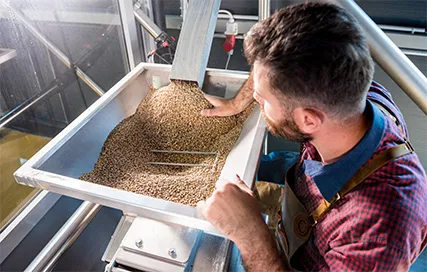
Products such as wheat, barley, and corn can be affected by humidity, temperature, and ventilation conditions during the storage process. Unsuitable storage environments can lead to problems such as mold, insect infestation, and quality loss. Moisture content of products should be checked before being placed in storage, they should be cleaned of foreign matter, and suitable storage conditions should be provided.
Additionally, the licensed warehousing system contributes to the preservation of agricultural products within the framework of certain standards and to the more orderly conduct of product trade.
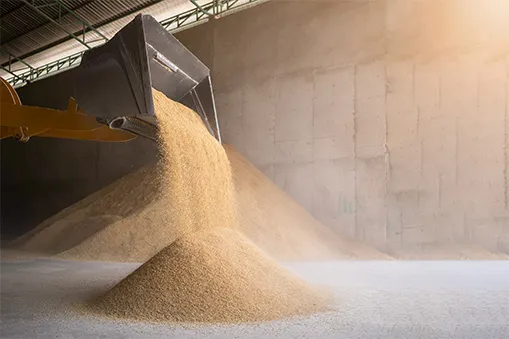
Storage capacity also helps manage the product supply in the market over time. Thanks to storage opportunities under suitable conditions, producers and commercial enterprises can find the opportunity to evaluate their products in different periods.
6. Government Policies and Agricultural Supports
One of the factors affecting the grain market in Türkiye is agricultural policies and regulations implemented by the public sector.
Production supports, diesel and fertilizer subsidies, purchasing policies, import regulations, and export practices can be determining factors in agricultural production and trade processes.
The purchase prices announced by the Turkish Grain Board (TMO) and the purchasing policies implemented are among the important references in the grain market. Particularly, prices announced during harvest periods can be effective on producers' sales decisions and commercial expectations in the market.
In addition, supporting agricultural production contributes to producers managing their costs and continuing their production activities. However, since agricultural policies and market regulations can change periodically, it is important for sector representatives to follow current announcements.
7. Global Developments and International Trade
Grain trade is no longer limited to local production and consumption conditions alone. Thanks to international trade networks, developments in different countries can also affect agricultural product markets in Türkiye.
Drought, war, trade restrictions, or logistics problems experienced in the world's major grain producer and exporter countries can change global product supply.
Particularly, grain trade in the Black Sea region is of strategic importance for Türkiye. Changes in export activities in this region can cause price volatility in international wheat and corn markets. In addition, congestion at international ports, maritime transport costs, and trade agreements between countries can also affect grain supply processes.
For agricultural product suppliers operating in Türkiye, monitoring global markets is important in terms of supply planning and evaluating commercial risks.
Why Is Proper Planning Important in Grain Trade?
Grain trade in Türkiye is a comprehensive sector that requires the joint evaluation of production, storage, transportation, supply-demand balance, and international market conditions.
In this process, procuring the right product at the right time and at appropriate quality standards is important for both producers and industrial organizations.
Particularly for feed factories, agricultural enterprises, and companies that purchase products wholesale, working with reliable suppliers helps meet raw material needs regularly.
As SİN Tarım, we are aware of the importance of product supply, logistics organization, and commercial processes in grain and feed raw material trade. In the trade of wheat, barley, corn, and various feed raw materials, we closely monitor the needs of the sector and market conditions. Establishing sustainable business relationships in grain trade, supporting quality product supply, and developing solutions suitable for customers' needs are among our main priorities.