
The Benefits of Bulk Raw Material Supply for Feed Mills
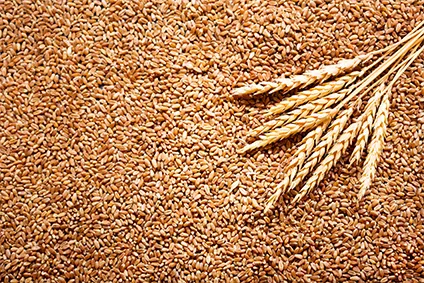
In the feed production sector, keeping production costs under control and ensuring uninterrupted raw material supply are as important as obtaining high-quality products. The timely and appropriate supply of raw materials such as wheat, barley, corn, wheat bran, sunflower meal, and DDGS that feed factories need in their production processes directly affects the efficiency of businesses.
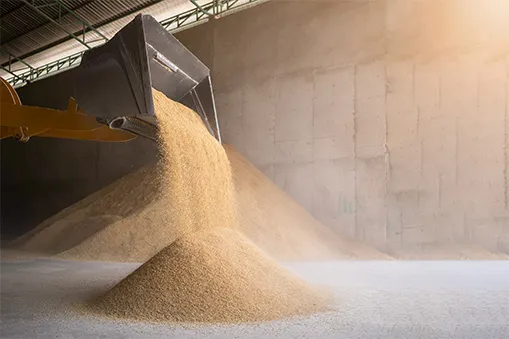
Especially for feed factories with high production capacity, bulk raw material supply can provide significant advantages in purchasing and inventory management. Purchases made in large quantities help many processes—from logistics planning to supply continuity—be carried out more controllably.
1. Reduction of Unit Purchasing Costs
One of the most important advantages of bulk raw material supply is that purchasing costs can be managed more efficiently.
Feed factories that purchase products in high quantities can evaluate quantity-based pricing options in their negotiations with suppliers. Large-volume orders can provide advantages in unit product costs depending on commercial terms.
Especially for businesses that regularly use high quantities of wheat, barley, corn, or feed raw materials, planning the purchase quantity is important.
In addition, in bulk purchases, the share of transportation, loading, and operational costs per unit product can also decrease. Thus, businesses can manage their total raw material costs more effectively.
2. Ensuring Production Continuity
The uninterrupted continuation of production in feed factories depends on regular raw material supply.
Failure to procure the raw materials needed during the production process on time can cause disruptions in production plans and delays in delivery processes.
Bulk raw material supply helps businesses plan in advance the quantity of products they need for a certain period. Thus, stock levels suitable for production schedules can be established.
For example, a feed factory that regularly uses corn and barley can create a bulk purchasing plan by taking into account its monthly or periodic consumption quantity. This approach provides significant convenience for businesses, especially in terms of raw material availability during intensive production periods.
3. Efficiency in Logistics and Transportation Processes
In raw material supply, not only the purchase price of the product but also transportation and delivery costs should be taken into account. Orders placed in small quantities at different times may require more shipment organization. This situation can increase operational costs in terms of vehicle planning, loading, and unloading operations.
In bulk raw material supply, on the other hand, shipments can be organized more systematically. Efficient use of vehicle capacity and advance determination of the delivery schedule contribute to facilitating logistics processes.
Especially for feed factories that procure products from different regions, proper transportation planning is important for controlling total supply costs.
4. More Effective Inventory Management
Feed factories need to establish stock levels appropriate to their production capacities. While a very low stock quantity increases the risk of production interruption, keeping more stock than necessary can increase storage and financing costs.
Bulk raw material purchasing, when applied together with proper stock planning, offers businesses a more controlled supply process.
At this point, it is important for factories to analyze their daily, weekly, and monthly raw material consumption quantities. For example, a business that uses a certain amount of wheat bran or sunflower meal monthly can create a purchasing and storage plan based on consumption estimates.
5. Better Control of Raw Material Quality
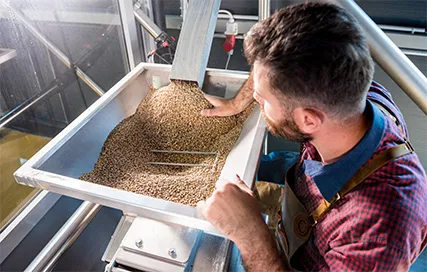
The quality characteristics of the raw materials used in feed production affect the nutritional value and production standards of the resulting product. Therefore, feed factories need to take into account moisture content, protein content, foreign matter content, and other quality criteria in the products they purchase.
In bulk supply processes, it may be possible to purchase products according to specific quality conditions and to plan analysis processes before delivery. Especially for factories that regularly apply the same production recipe, consistency in raw material quality is important.
Working in line with product specifications, analysis criteria, and delivery conditions determined in advance with the supplier contributes to the healthier conduct of purchasing processes.
6. Strengthening Supplier Relationships
For feed factories, establishing long-term business relationships with reliable suppliers can provide significant advantages in raw material procurement.
Regular and high-quantity purchases help establish a more planned commercial relationship between the supplier and the business.
Within the scope of these relationships, the delivery schedule, product quality, order quantity, and payment terms can be evaluated in advance.
In addition, businesses that work regularly can more easily plan their future raw material needs with their suppliers. This situation is especially important for factories that continuously use wheat, barley, corn, and various feed raw materials.
7. Acting More Planfully Against Market Movements
Prices in agricultural product markets are affected by many factors such as climatic conditions, production quantity, supply-demand balance, exchange rates, and international developments.
This variability can directly affect the raw material purchasing decisions of feed factories.
Bulk supply planning helps businesses evaluate their future production needs in advance and organize their purchasing processes accordingly. However, bulk purchasing does not mean lower cost under all conditions. Factors such as a decrease in product prices, storage expenses, or the business's financing needs should also be taken into account in the decision process.
Therefore, in bulk raw material purchases, market conditions, storage capacity, and consumption estimates should be evaluated together.
How to Choose the Right Raw Material Supplier for Feed Factories?
In order to obtain the expected advantages of bulk raw material supply, working with the right supplier is of great importance.
The main criteria that feed factories should consider when choosing a supplier are as follows:
- Product diversity: The ability to supply the different feed raw materials the business needs.
- Product quality: The purchased raw materials meeting the specified quality and analysis criteria.
- Supply capacity: The ability to meet the ordered product quantity on time.
- Logistics organization: Shipments being carried out at the planned time and under suitable transport conditions.
- Commercial reliability: Adoption of a transparent working approach in price, delivery, and payment terms.
These criteria help feed factories manage their supply processes more efficiently and develop long-term collaborations.
Reliable Cooperation in Feed Raw Material Supply with SİN Tarım
The regular, high-quality, and planned supply of the raw materials that feed factories need in their production processes is important for the sustainability of the sector.
As Sin Tarım, we offer solutions for the supply needs of different businesses in grain and feed raw material trade. In the supply processes of wheat, barley, corn, wheat bran, sunflower meal, DDGS, and various agricultural raw materials, we place importance on product diversity and logistics organization.
We aim to be a reliable solution partner in the sector with product supply suitable for the needs of feed factories, commercial collaborations, and planned shipment processes.
You can contact Sin Tarım for your feed factory's raw material needs and receive information about bulk product supply and commercial cooperation opportunities.